



THE IMPORTANCE OF CHILLER INSPECTION BEFORE PEAK SEASON
In harsh weather conditions, chiller systems often operate beyond their normal load capacity to meet increased cooling demands. This can overload components such as compressors, condensers, and control systems if not inspected and optimized beforehand.
Regular inspections before the hot season help businesses detect early signs of malfunctions, allowing for timely intervention before serious problems occur. This not only extends equipment lifespan but also contributes to reduced energy consumption and optimized operating costs during peak season.
MECHANICAL SYSTEM AND HEAT EXCHANGE INSPECTION
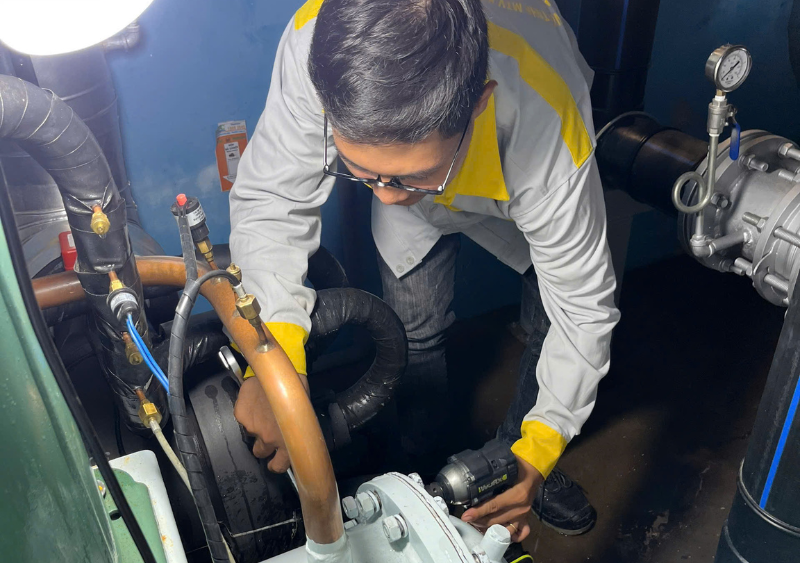
One of the crucial factors determining chiller performance is the condition of the mechanical components and heat exchange system. Therefore, a thorough inspection of the machine, checking for vibration, noise, and the sturdiness of the frame, is an indispensable step.
The condenser needs to be cleaned to ensure efficient heat dissipation. For air-cooled chillers, the cooling fins must be clear, free from dust, and not deformed. For water-cooled chillers, removing deposits inside the pipes is mandatory to maintain optimal heat exchange efficiency.
In addition, the refrigerant condition also needs to be carefully checked. A shortage or leak of refrigerant not only reduces cooling efficiency but also directly affects the lifespan of the compressor. The lubrication system also needs to be monitored to ensure the protection of internal mechanical components.
ELECTRICAL AND CONTROL SYSTEM REVIEW
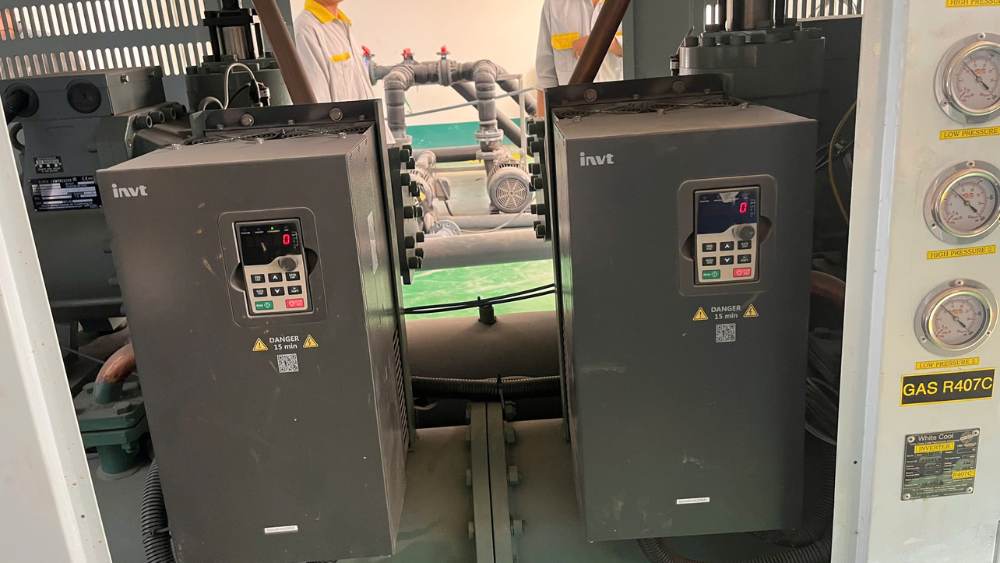
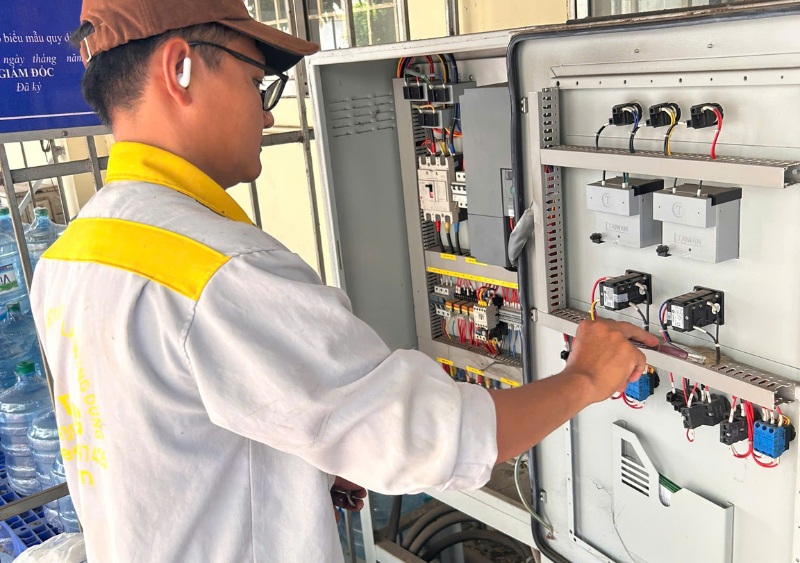
The electrical system acts as the "central coordinating hub" for all chiller operations. During hot weather, high temperatures can increase the risk of overheating in the electrical cabinet, affecting system stability.
Checking and tightening electrical connections helps prevent sparks or increased contact resistance. Simultaneously, temperature and pressure sensors and protective relays need to be checked to ensure accurate operation and timely system shutdown in case of malfunction.
In addition, measuring and comparing the operating current with standard parameters is an effective way to assess the operating condition of the compressor and the entire system.
OPTIMIZING THE WATER AND COOLING CIRCULATION SYSTEM
In chiller systems, water plays a crucial role as a heat transfer medium. Therefore, ensuring stable water flow and quality is crucial for maintaining cooling efficiency.
Water pumps and cooling towers need to be inspected and cleaned regularly to ensure smooth operation. Dirt and debris in pipes or filters, if not treated promptly, will reduce water flow and affect the entire system.
In addition, controlling water quality with appropriate treatment solutions will help limit corrosion, scaling, and microbial growth, thereby protecting the system in the long term.
OPTIMAL CHILLER SYSTEM SOLUTIONS FROM WHITE COOL
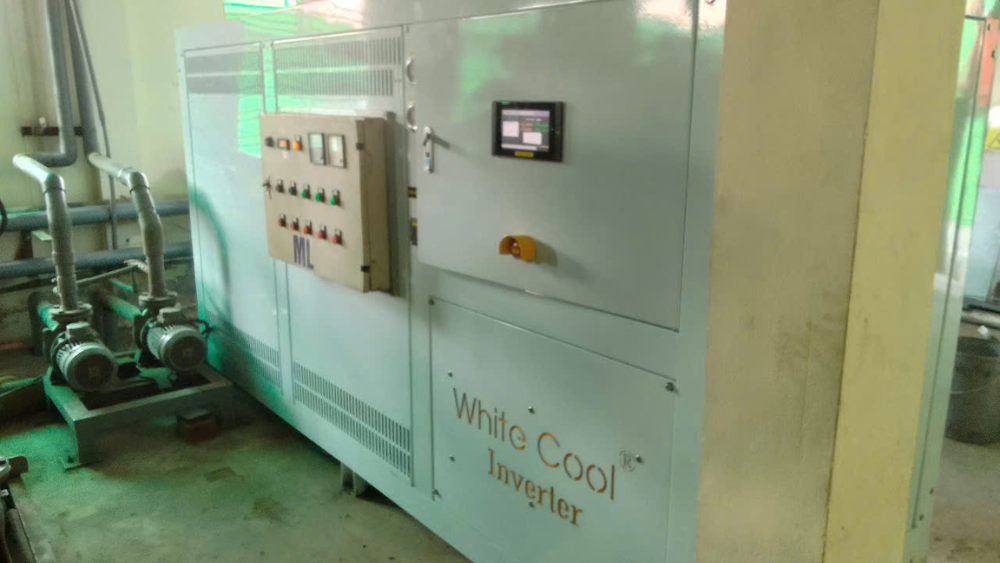
White Cool not only provides equipment but also partners with businesses in comprehensive inspection, maintenance, and optimization of chiller systems before peak season. With a team of experienced technicians, White Cool accurately assesses the system's condition and provides solutions tailored to each production model.
White Cool's services go beyond simply detecting and resolving issues; they focus on optimizing operational efficiency, reducing energy consumption, and enhancing equipment longevity. This is key to helping businesses maintain a competitive advantage during peak production periods.
CONCLUSION
Performing a chiller inspection checklist before peak season is an essential preparation step for any factory. A thoroughly inspected and optimized system will help businesses operate stably, minimize risks, and save costs in the long term.
If you are looking for an effective maintenance and upgrade solution for your refrigeration system, White Cool is a reliable choice. Contact White Cool today and let us partner with your business to ensure your chiller system operates reliably and is ready to withstand the heat in any harsh condition.