



WHAT IS A PLASTIC MOLD COOLING SYSTEM AND ITS ROLE IN INJECTION MOLDING?
A plastic mold cooling system is a combination of components working together to control mold temperature throughout the injection molding process. It typically includes cooling water channels inside the mold, circulation pumps, water chillers, and cooling towers (if applicable).
The core function of the cooling system is to maintain stable mold temperature, allowing plastic to solidify at the correct rate. This helps shorten cycle time and stabilize product quality. In practice, the cooling stage can account for 30–60% of the total molding cycle, meaning that even a slight inefficiency in the plastic mold cooling system can significantly reduce overall production capacity.
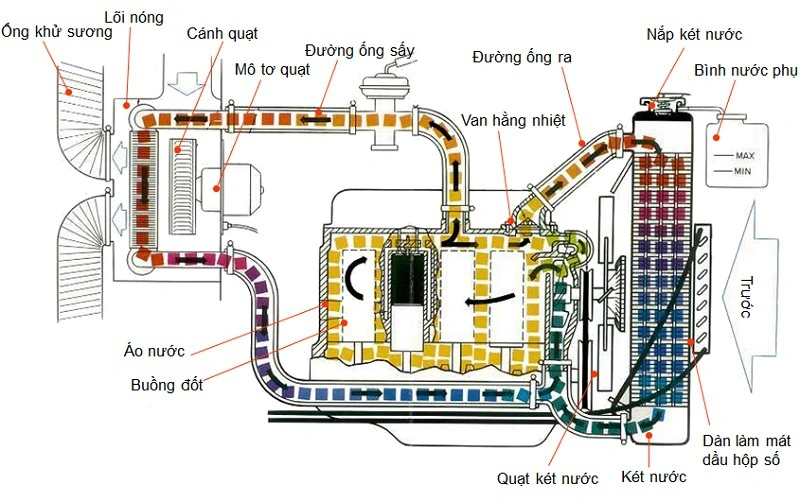
(Source: Internet)
SIGNS OF AN INEFFICIENT PLASTIC MOLD COOLING SYSTEM
Early identification of abnormal signs helps manufacturers avoid unnecessary costs. Common indicators include:
-
Extended cycle time even though machine settings and materials remain unchanged
-
Large mold temperature fluctuations between production shifts or machines
-
Warped products, discoloration, flash, and increased scrap rates
-
Chillers running continuously with minimal downtime, leading to higher electricity consumption
In many cases, the problem does not lie with the injection machine or the mold itself, but with insufficient heat dissipation capacity. This is when a comprehensive evaluation of the plastic mold cooling system becomes essential.
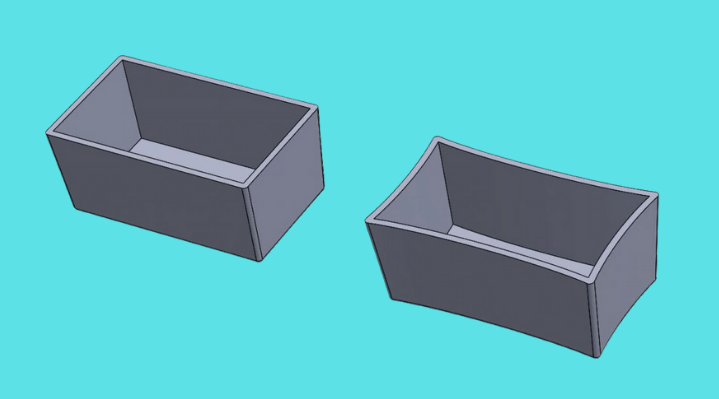
(Product defects include warping)
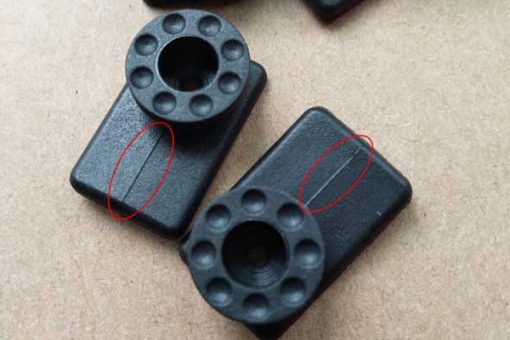
(Product defects in weld seams)
CAUSES OF AN INEFFICIENT PLASTIC MOLD COOLING SYSTEM
First, suboptimal mold cooling channel design. Cooling channels located too far from heat-generating areas, uneven layouts, or long-term clogging caused by scale, rust, or debris significantly reduce heat transfer efficiency. As a result, cooling water cannot reach hot spots effectively, leading to slow mold cooling and uneven temperature distribution.
Second, unstable cooling water temperature. Many factories use chillers with improper capacity selection, causing frequent overloading or underloading. When thermal load fluctuates significantly between shifts or with varying numbers of active molds, the chiller cannot respond quickly enough, resulting in unstable water temperatures supplied to the mold.
Third, outdated cooling systems with low efficiency. Traditional on/off chillers consume excessive energy, operate intermittently, and struggle to maintain precise temperature control. This is a common reason why a plastic mold cooling system remains inefficient even when equipment appears to be functioning normally.
Fourth, improper maintenance practices. Dust accumulation on condensers, reduced heat exchange efficiency, or inaccurate temperature sensors all degrade cooling performance and increase operating costs.
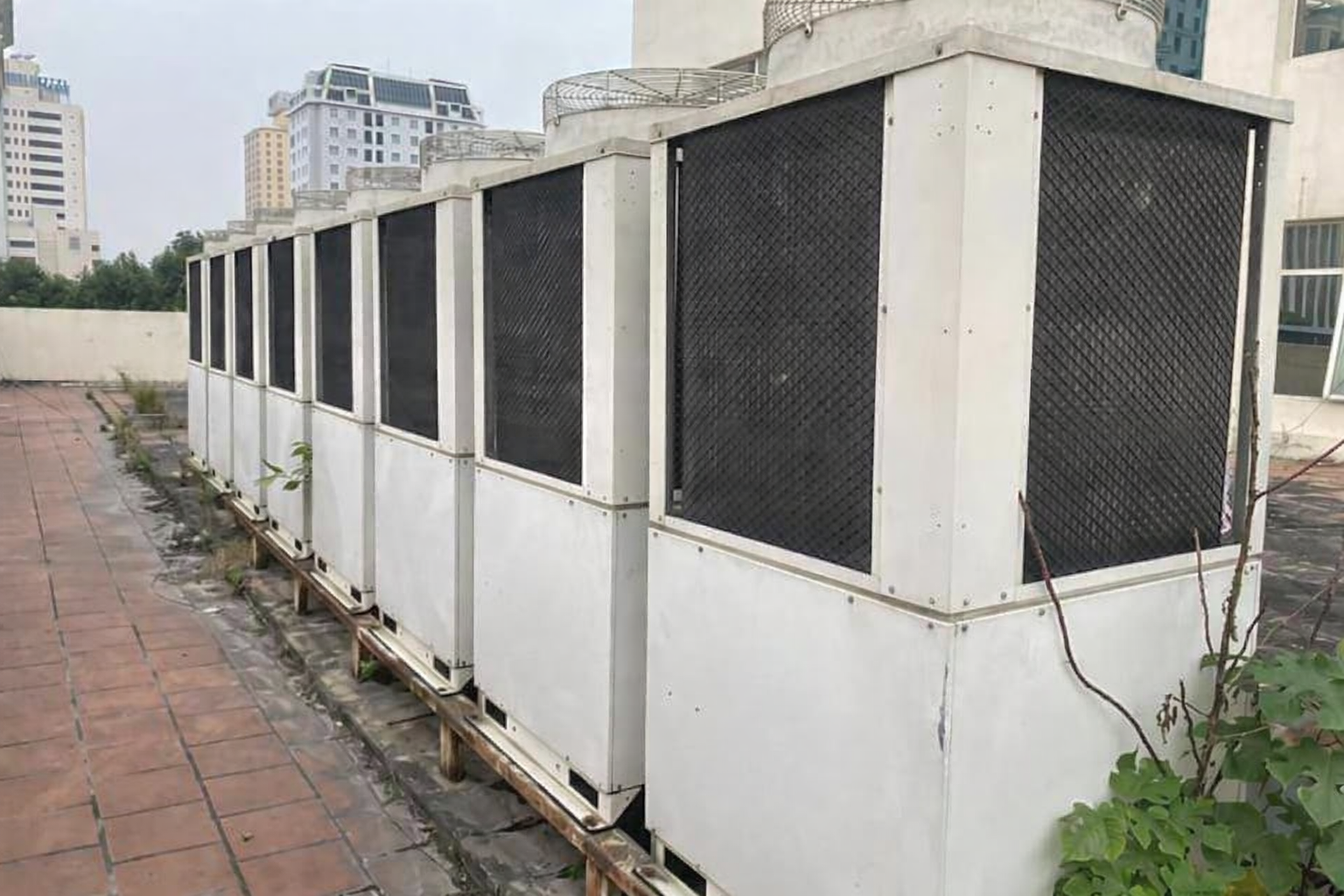
(Source: Internet)
SOLUTIONS TO IMPROVE PLASTIC MOLD COOLING SYSTEM EFFICIENCY AND SUSTAINABILITY
To resolve an inefficient plastic mold cooling system, manufacturers must adopt a comprehensive approach.
First, optimizing mold cooling channel design and performing regular cleaning are fundamental steps. Periodic flushing, scale removal, and balanced water flow distribution significantly enhance heat transfer efficiency.
Next, it is essential to upgrade the chiller system based on actual thermal load requirements. Recalculating capacity according to the number of molds, molding cycle time, and ambient temperature ensures stable operation and prevents under- or over-capacity conditions.
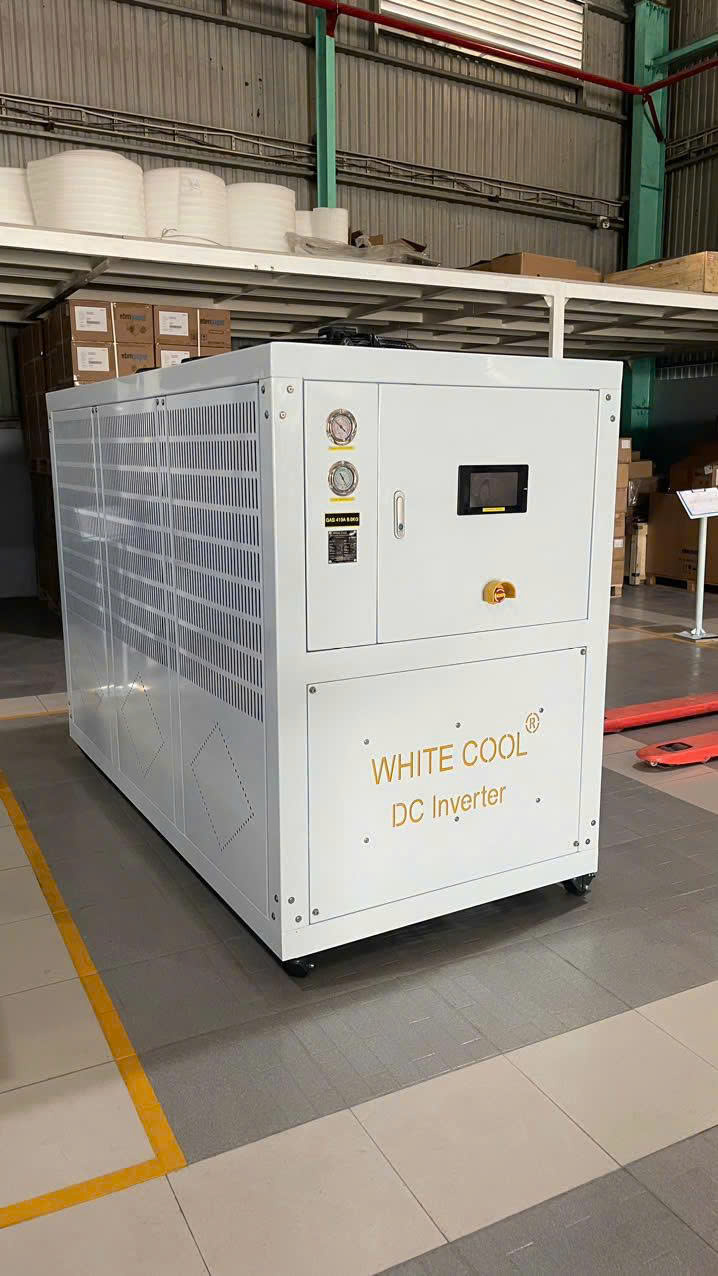
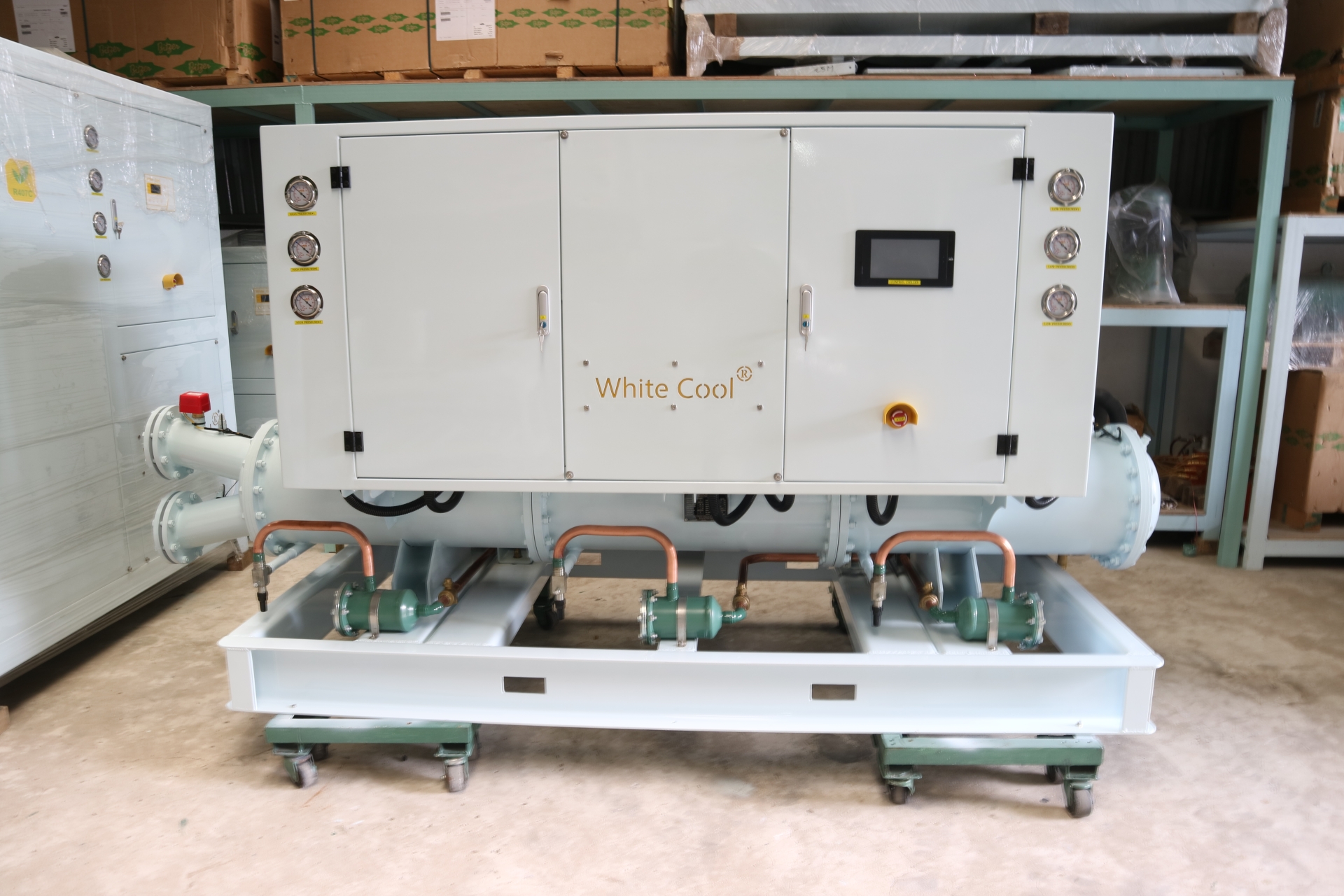
Finally, the current industry trend is to apply DC Inverter chillers with air-cooled or water-cooled configurations. This technology allows flexible capacity adjustment according to load demand, maintains water temperature stability within ±0.5°C, and significantly reduces energy consumption compared to conventional systems.
WHY IS THE WHITE COOL DC INVERTER CHILLER THE OPTIMAL CHOICE FOR PLASTIC MOLD COOLING?
Among modern solutions, the White Cool DC Inverter chiller is widely selected by plastic manufacturers for its balanced performance and operating cost efficiency. DC Inverter technology enables the compressor to adjust output according to real-time thermal load, minimizing frequent start-stop cycles.
White Cool offers both air-cooled and water-cooled options, making the solution adaptable to various factory scales and operating conditions. With precise temperature control, the chiller operates smoothly, reduces thermal shock to molds, and extends equipment lifespan.
In practical terms, the DC Inverter chiller helps shorten cycle time, stabilize product quality, and lower electricity and maintenance costs. With extensive experience in ODM chiller manufacturing and cooling solutions for the plastic industry, White Cool delivers not just equipment, but long-term optimization support for manufacturers.
CONCLUSION
An inefficient plastic mold cooling system has a direct impact on factory productivity, product quality, and operating costs. Thoroughly evaluating the entire cooling system and selecting the right solution from the outset enables manufacturers to achieve long-term cost savings and strengthen competitive advantage.
Contact White Cool today for in-depth consultation on DC Inverter air-cooled or water-cooled chiller solutions and receive a quotation tailored to your production model.