



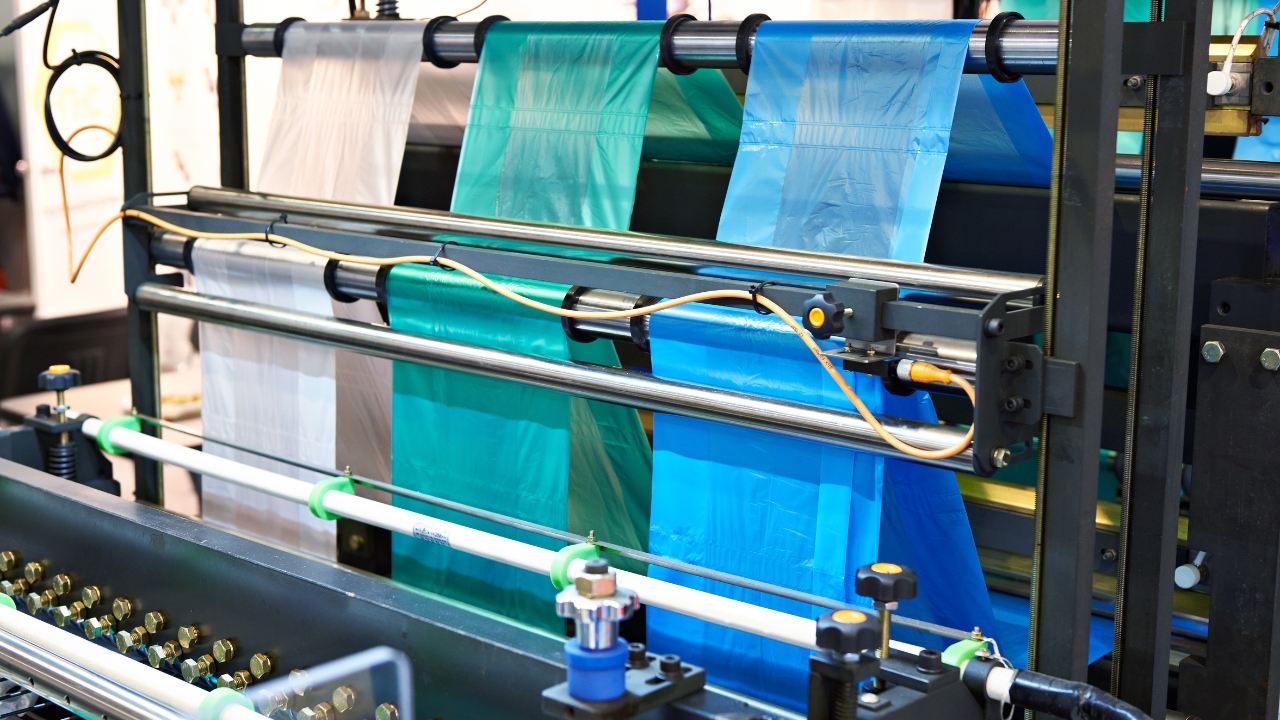
THE CURRENT GREEN MANUFACTURING TREND IN THE PLASTICS INDUSTRY
Green manufacturing is no longer an option, but a mandatory requirement
In recent years, the green manufacturing trend in the plastics industry has shifted from “encouraged” to “mandatory.” Environmental regulations, export standards, and carbon reduction commitments are forcing manufacturers to strictly control electricity consumption, indirect CO₂ emissions, and long-term operating costs. For the plastics industry—known for its high energy consumption—failing to optimize production systems can quickly erode competitiveness, especially when working with international partners.
Three core pillars of green manufacturing in plastics factories
The green manufacturing trend in the plastics industry today revolves around three key pillars. The first is energy optimization, including electricity, water, and thermal efficiency across the entire production line. The second is process stability, reducing defects and scrap that lead to resource waste. The third is the application of intelligent control technologies that allow systems to operate according to actual production loads. Among these pillars, mold cooling systems and chillers typically account for the largest share of electricity consumption, making them the top priority for companies aiming to achieve meaningful green manufacturing.
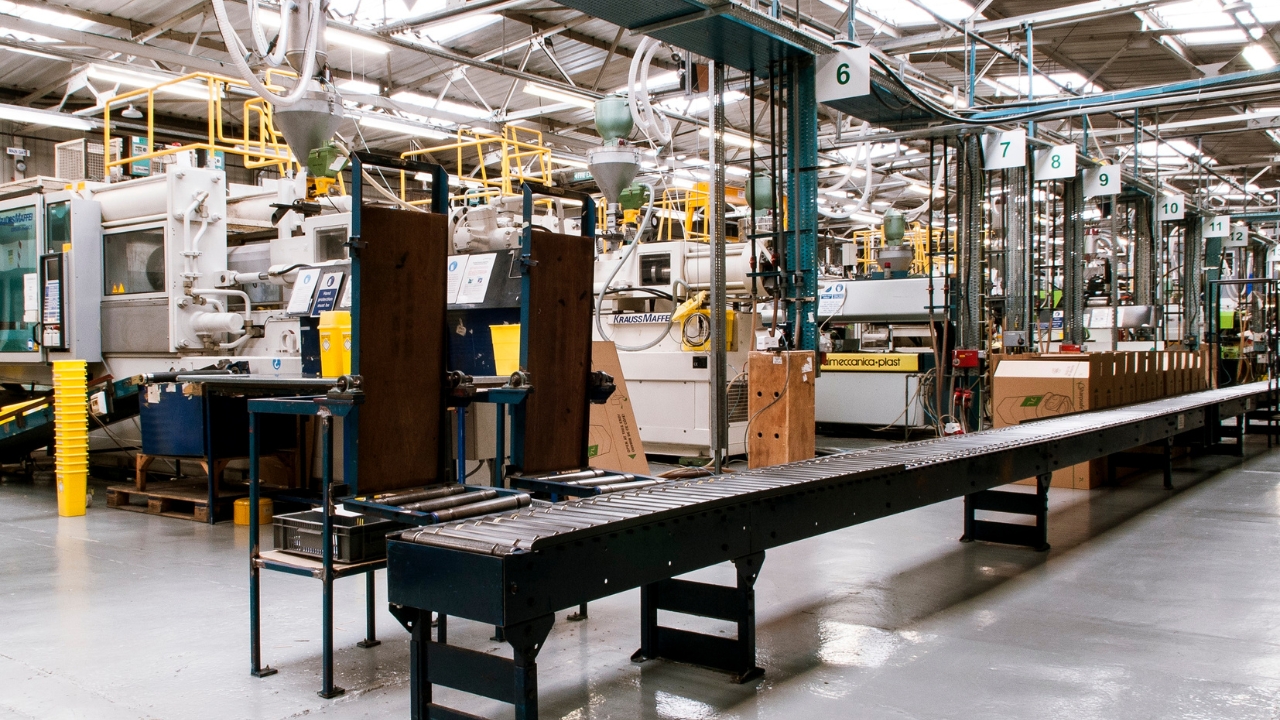
THE ROLE OF COOLING SYSTEMS IN PLASTICS FACTORIES
Why cooling systems directly impact green manufacturing
In plastic injection molding, cooling time accounts for a significant portion of the production cycle. Unstable mold temperatures not only extend cycle times but also cause product defects, leading to rework and additional energy consumption. Therefore, to effectively implement the green manufacturing trend in the plastics industry, manufacturers cannot overlook the role of cooling systems—systems that directly influence both product quality and energy consumption.
Limitations of traditional cooling systems
Many plastics factories still rely on traditional ON/OFF chillers. Under low-load conditions, these systems often operate with excess capacity, resulting in high energy waste at partial loads. Moreover, limited temperature control accuracy forces systems to run continuously at high output, increasing electricity costs and accelerating equipment wear. This is why many plastics manufacturers are gradually transitioning to DC Inverter chiller solutions that better align with the green manufacturing trend in the plastics industry.
DC INVERTER CHILLERS – AN ENERGY-SAVING SOLUTION FOR GREEN MANUFACTURING
Energy-saving principles of DC Inverter chillers
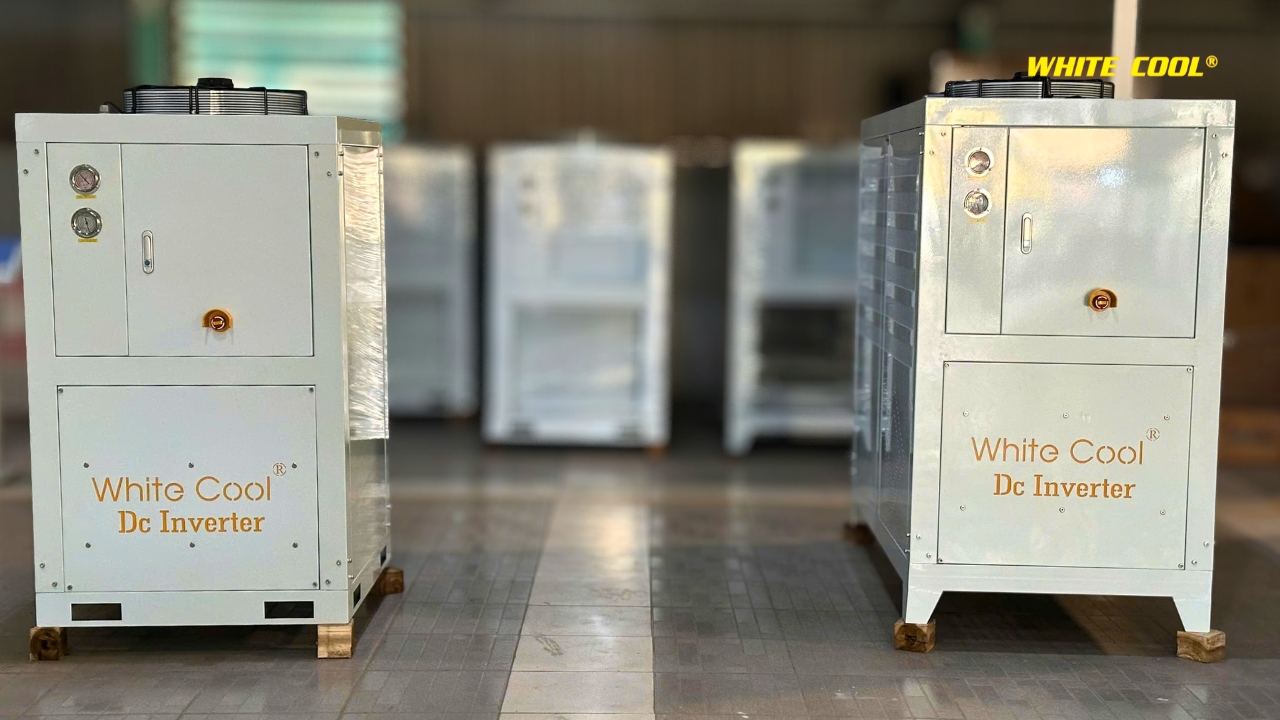
DC Inverter chillers operate by adjusting output capacity based on actual thermal load, allowing flexible operation across a 0–100% capacity range. Instead of frequent start-stop cycles, inverter-driven compressors maintain stable operation, minimizing electrical and thermal shocks. This enables cooling systems to adapt effectively to the variable production loads typical of the plastics industry—a core requirement of the green manufacturing trend in the plastics industry.
Practical benefits for plastics factories
In real-world applications, DC Inverter chillers can reduce electricity consumption by approximately 30–45% compared to traditional chillers. More stable mold temperature control helps reduce product defects and shorten cycle times. At the same time, reduced operating stress extends the lifespan of compressors and the entire cooling system. These tangible benefits align perfectly with the goals of green manufacturing and long-term cost optimization pursued by plastics manufacturers.
WHITE COOL DC INVERTER CHILLER SOLUTIONS – TOWARD SUSTAINABLE GREEN MANUFACTURING
White Cool DC Inverter chillers for the plastics industry
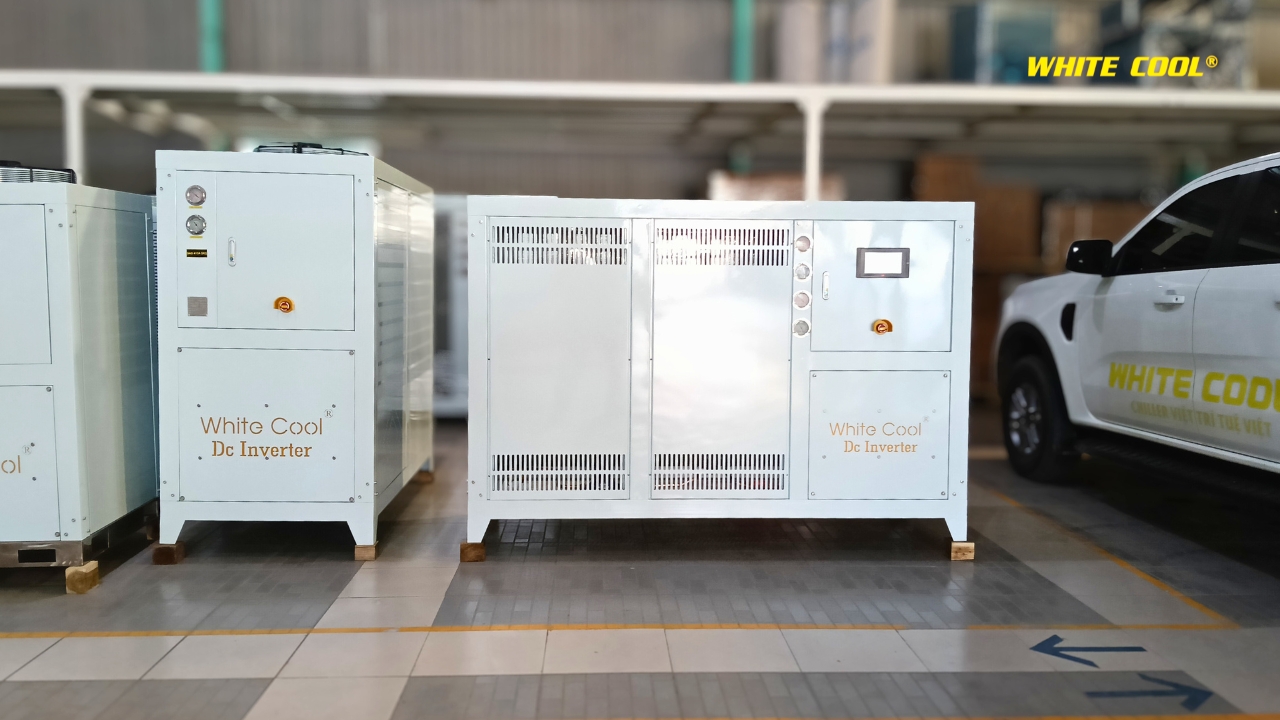
White Cool’s DC Inverter chiller lines are developed based on the real operating conditions of plastics factories, where thermal loads fluctuate continuously and long-term stable cooling is required. The systems are optimized for continuous production cycles and equipped with intelligent PLC control to precisely adjust capacity according to operating conditions, instead of running at unnecessary excess loads.
The “green value” delivered by White Cool solutions
By optimizing electricity consumption, White Cool DC Inverter chillers help manufacturers significantly reduce operating costs and indirect carbon emissions associated with energy use. These solutions are suitable for both domestic plastics factories and export-oriented manufacturers, where ESG standards and green manufacturing requirements are increasingly critical. Rather than simply supplying equipment, White Cool positions itself as a cooling solution partner, supporting enterprises throughout their journey toward the green manufacturing trend in the plastics industry.
CONCLUSION
To effectively implement the green manufacturing trend in the plastics industry, manufacturers must begin by accurately assessing thermal loads and selecting appropriate cooling systems.
Contact White Cool today for consultation on DC Inverter chiller solutions tailored to your actual operating load, optimized energy consumption, and detailed quotations for your factory.