



WHY IS REGULAR WATER QUALITY MONITORING IMPORTANT?
Water quality changes continuously during system operation due to factors such as the incoming water supply, environmental conditions, evaporation, makeup water, and microbial growth within the system. Without routine monitoring, these changes can lead to scale formation, metal corrosion, or blockage inside piping and heat exchangers.
Regular testing enables businesses to accurately assess the condition of circulating water, identify abnormal changes, and implement corrective measures before cooling performance is affected. This is an essential part of any preventive maintenance program for industrial Chiller systems.
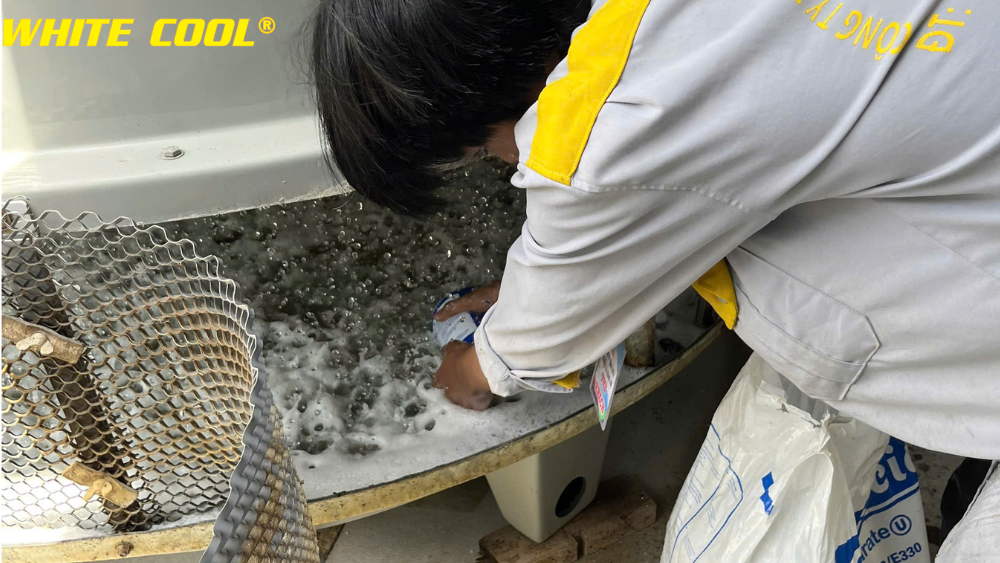
PH – A KEY FACTOR AFFECTING CORROSION AND SCALE FORMATION
The pH level indicates whether water is acidic or alkaline. It is one of the most important parameters to monitor because it directly influences both metal corrosion and mineral scale formation inside the system.
If the pH is too low, metal components such as pipes, valves, condensers, and evaporators become more susceptible to corrosion. On the other hand, if the pH is too high, dissolved minerals are more likely to precipitate and form scale on heat transfer surfaces. Maintaining an appropriate pH range helps ensure stable operation and extends equipment life.
WATER HARDNESS AFFECTS HEAT TRANSFER EFFICIENCY
Water hardness is primarily determined by the concentration of dissolved calcium and magnesium. It is one of the leading causes of scale formation in Chiller systems.
When water hardness is high, these minerals tend to crystallize and accumulate on heat exchanger surfaces. Even a thin layer of scale significantly reduces heat transfer efficiency, forcing the compressor to operate longer to achieve the desired cooling temperature. As a result, energy consumption and operating costs increase.
Routine hardness testing allows businesses to adjust water treatment methods before scale buildup becomes a serious problem.
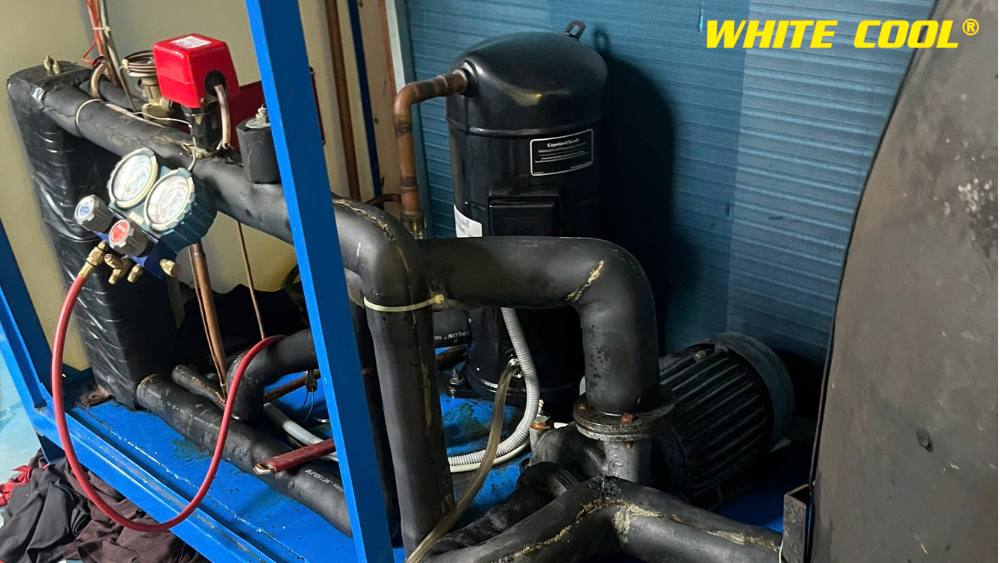
ELECTRICAL CONDUCTIVITY AND TOTAL DISSOLVED SOLIDS INDICATE WATER QUALITY
Electrical Conductivity (EC) and Total Dissolved Solids (TDS) are important indicators of the concentration of dissolved salts and minerals in water.
As these values increase, the risk of scaling and corrosion also rises. In water-cooled Chiller systems, monitoring conductivity also helps optimize cooling tower cycles of concentration and blowdown management.
Maintaining these parameters within appropriate limits helps protect equipment and improve the overall efficiency of the cooling system.
METAL CONTENT AND MICROBIOLOGICAL GROWTH SHOULD ALSO BE MONITORED
In addition to the basic parameters, businesses should periodically analyze the concentrations of iron, manganese, and other dissolved metals. High metal content may lead to sediment buildup, water discoloration, and increased corrosion.
For systems equipped with cooling towers, bacteria, algae, and other microorganisms should also be monitored regularly. If left untreated, they can form biofilm on heat exchanger surfaces, reducing cooling performance and causing pipe blockages.
Combining regular testing with an appropriate water treatment program helps maintain reliable and efficient system operation.
REGULAR WATER TESTING HELPS REDUCE OPERATING COSTS
Some businesses consider water analysis an unnecessary maintenance expense. In reality, the cost of periodic water testing and treatment is usually far lower than the cost of cleaning fouled heat exchangers, replacing corroded piping, or repairing damaged equipment.
When water quality is properly controlled, heat transfer efficiency remains high, allowing compressors and water pumps to operate under lighter loads. This reduces electricity consumption, minimizes unexpected breakdowns, and delivers significant cost savings throughout the entire service life of the Chiller system.
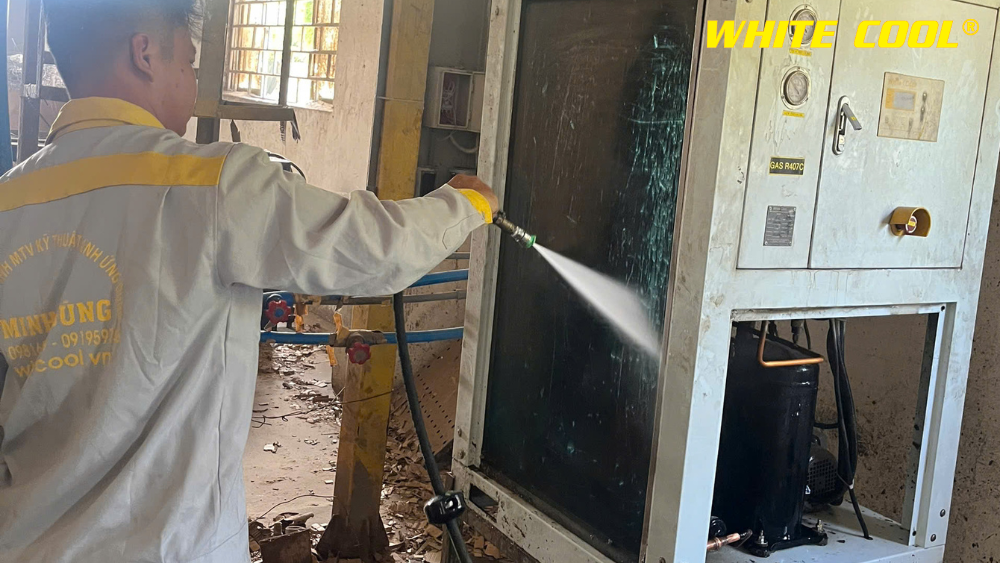
WHITE COOL – YOUR PARTNER IN CHILLER WATER QUALITY MANAGEMENT
White Cool not only provides customized industrial Chiller solutions but also supports customers in maintaining the long-term performance of their entire cooling system. Our engineering team assists with water quality assessments, analysis of critical water parameters, and recommends suitable treatment solutions based on each project's operating conditions.
In addition to Chiller design, manufacturing, and installation, White Cool helps customers establish routine water testing schedules, preventive maintenance plans, and strategies to optimize heat transfer performance. Our goal is to reduce energy consumption, minimize scaling and corrosion, and maximize the lifespan of your cooling equipment.
If your business operates an industrial Chiller system or requires professional advice on water quality management, contact White Cool today. Our experienced engineers are ready to provide customized solutions tailored to your specific application.
CUNCLUSION
Regular monitoring of water quality parameters is one of the most effective ways to ensure reliable Chiller performance, improve energy efficiency, and extend equipment life. Parameters such as pH, water hardness, electrical conductivity, TDS, dissolved metal content, and microbiological activity should all be monitored on a routine basis to identify potential issues before they impact system performance.
Rather than waiting until problems occur, businesses should implement a proactive water quality management program from the beginning. This approach reduces maintenance costs, minimizes downtime, and maximizes the return on investment throughout the Chiller system's lifecycle. With extensive experience in designing, manufacturing, and servicing industrial Chillers, White Cool is committed to helping businesses build reliable, efficient, and sustainable cooling systems for long-term success.