


DECREASED COOLING EFFICIENCY - AN EASILY NOTICEABLE BUT OFTEN OVERLOOKED SIGNS
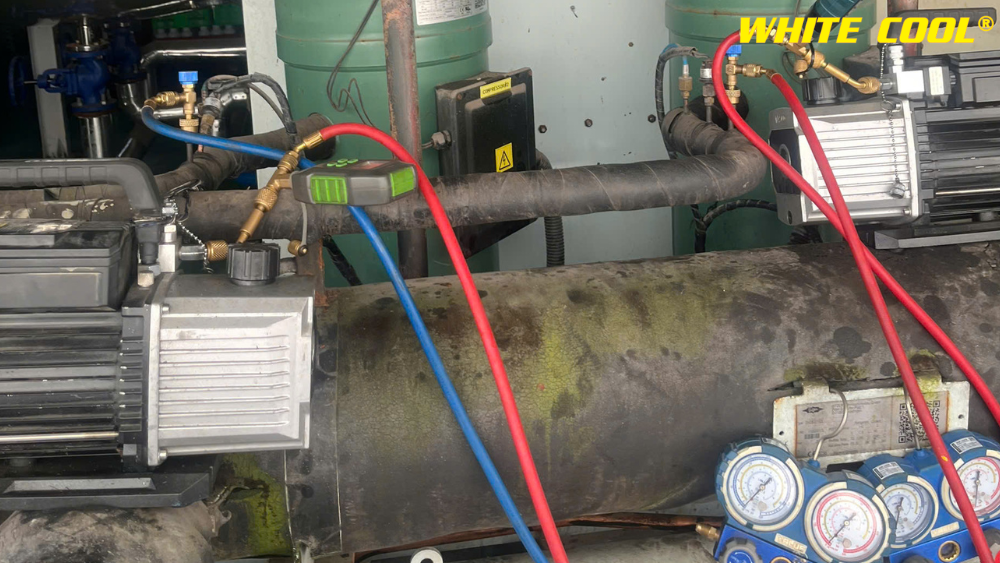
After prolonged use, chiller systems inevitably experience a decline in efficiency. This is often manifested by unstable temperatures, prolonged cooling times, or continuous operation at high power.
The causes of this often stem from scale buildup in the heat exchanger, clogged piping, or wear and tear on internal components over time. Additionally, if the system was not optimally designed initially or usage requirements have changed, the chiller will no longer operate at its designed efficiency.
If not addressed promptly, reduced efficiency not only increases energy consumption but also leads to rapid equipment degradation, posing a significant risk of failure. At this point, system upgrades are necessary to restore efficiency and ensure stable operation.
UNUSUALLY HIGH ELECTRICITY COSTS
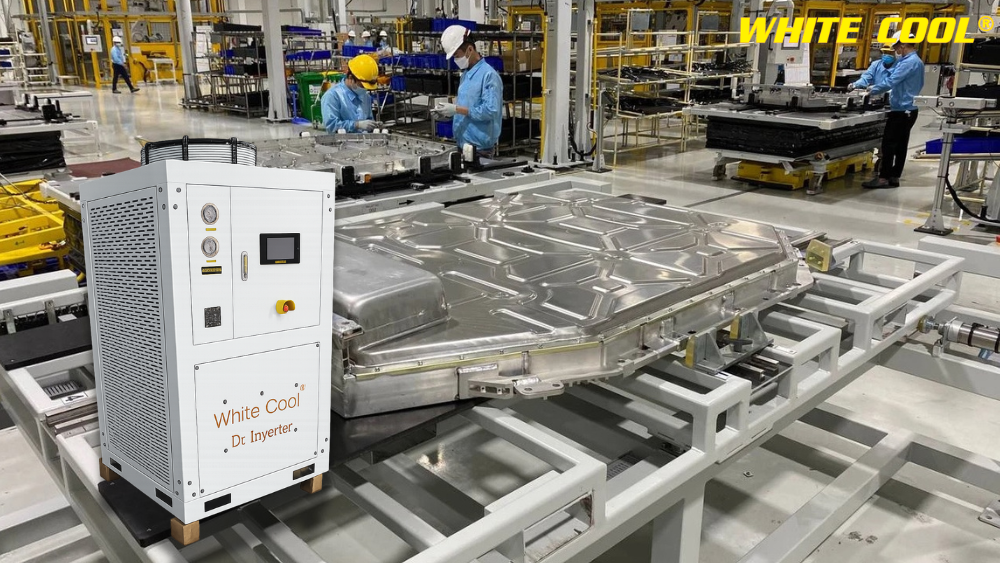
Sudden increases in electricity costs are one of the clearest signs that a chiller system is experiencing problems, but they are often confused with increased production or seasonal factors. In fact, if there is no significant change in production but electricity bills are still high, the cause is most likely the chiller's operating efficiency.
When a chiller operates inefficiently, it consumes more energy to achieve the same level of cooling. This causes operating costs to increase over time, which businesses may not easily recognize without close monitoring.
In many cases, upgrading or renovating the system not only helps reduce load, but a properly optimized system can significantly reduce energy consumption for businesses while improving the stability of the entire production process.
INCREASING FREQUENCY OF INCIDENTS
A chiller system that constantly malfunctions, requires frequent repairs, or frequently generates abnormal warnings is a clear sign that the equipment has deteriorated. Initially, these may be minor, infrequent, and easily fixable errors. However, over time, these incidents tend to recur more frequently, take longer to resolve, and directly affect the plant's operation.
While each individual incident may not be too serious, when they occur repeatedly, they disrupt production, causing significant time losses and repair costs. Fixing minor faults may keep the system running in the short term, but in the long run, it will increase maintenance costs and pose a risk of sudden downtime. As the frequency of failures increases, upgrading the system will be more effective than maintaining patchwork repairs.
PRODUCTION DEMAND EXCEEDS INITIAL DESIGN CAPACITY
During development, many businesses expand their production scale while maintaining the original chiller system configuration. This causes the equipment to operate continuously at high load levels, leading to overload.
When chillers operate under prolonged overload conditions, cooling efficiency decreases significantly. Temperatures are no longer maintained stably, cooling times are longer, and the equipment is prone to overheating. This not only affects product quality but also disrupts the production process, especially in industries requiring strict temperature control.
The consequence is reduced efficiency, shortened equipment lifespan, and increased risk of failure. When cooling demand exceeds capacity, upgrading capacity or adding systems is necessary to ensure uninterrupted production lines.
OLDER SYSTEMS AND OUTDATED TECHNOLOGY
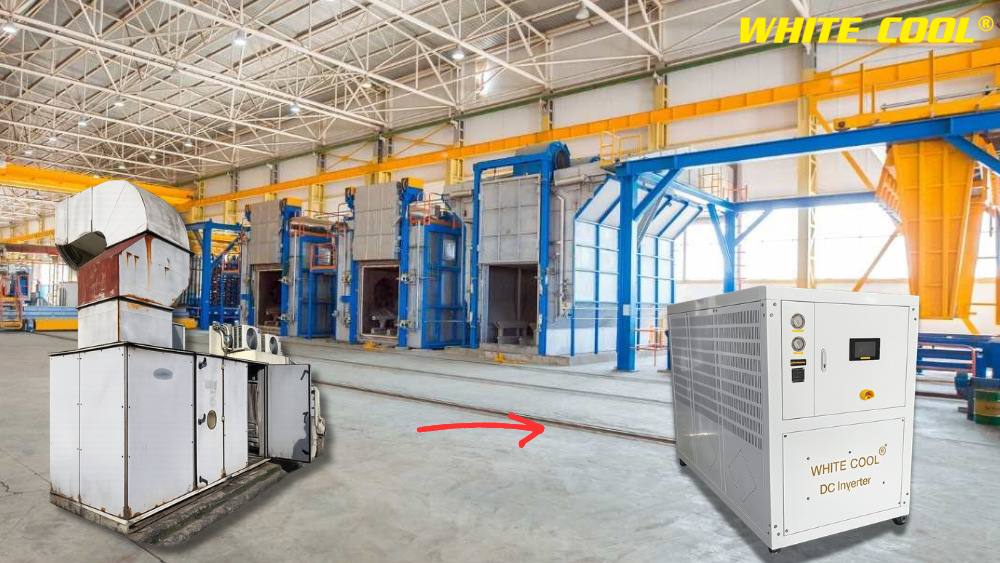
Chillers are long-lasting devices, but after many years of operation, their efficiency and stability gradually decrease over time. One of the major problems with older systems is that the technology has become outdated. Older chiller models often consume more electricity, have less flexible control capabilities, and no longer meet current energy efficiency standards. Meanwhile, new chiller technology is constantly being improved with higher efficiency, smarter operation, and better cost optimization.
In cases where the system has been in operation for a long time, upgrading not only improves cooling performance but also provides long-term benefits such as reduced electricity costs, increased stability, and reduced production risks. This is a strategic investment that helps businesses enhance their operational capabilities and better meet the demands of modern production.
SYSTEM NO LONGER SUITABLE FOR ACTUAL OPERATING CONDITIONS
Some chiller systems, designed initially, are no longer suitable for the current conditions of the factory, such as changes in the environment, production process, or temperature requirements.
This incompatibility often manifests as unstable system operation, unsatisfactory cooling performance, or the need to operate continuously at high load levels to meet demand. In addition, some cases experience uneven heat distribution between areas, affecting product quality and production efficiency.
The cause may stem from changes in factory layout, the addition of new machinery, increased production capacity, or harsher environmental conditions than initially. When the system is not adjusted in time, these shortcomings will become increasingly apparent and difficult to control. This is the time for businesses to consider upgrading or restructuring their systems to ensure they meet new needs.
UPGRADING AT THE RIGHT TIME - A SOLUTION FOR STABLE PRODUCTION
Upgrading a chiller system is not only a solution to technical problems but also a strategy to help businesses maintain production stability. Furthermore, upgrading at the right time helps businesses control costs effectively. Instead of paying for small but recurring repairs, a well-planned upgrade will yield significant long-term economic benefits, especially in saving energy and extending equipment lifespan.
More importantly, an optimized chiller system will contribute to ensuring continuous production line operation, minimizing the risk of sudden machine downtime. This is a key factor in helping businesses maintain productivity, ensure deadlines, and enhance competitiveness in the market.
CONCLUSION
The chiller system plays a crucial role in ensuring the stable operation of the plant. Early detection of signs of deterioration and timely upgrades will help businesses minimize the risk of production disruptions and optimize operating costs in the long term.
Instead of waiting until a problem occurs, proactively assessing and upgrading the system is a sustainable solution to maintain production efficiency. With practical experience in designing, renovating, and maintaining chiller systems, White Cool is always ready to partner with businesses in building optimal solutions tailored to each specific operational need. Contact White Cool today for advice and support in finding the right solution for you.