


DIFFERENCES IN OPERATIONAL PERFORMANCE
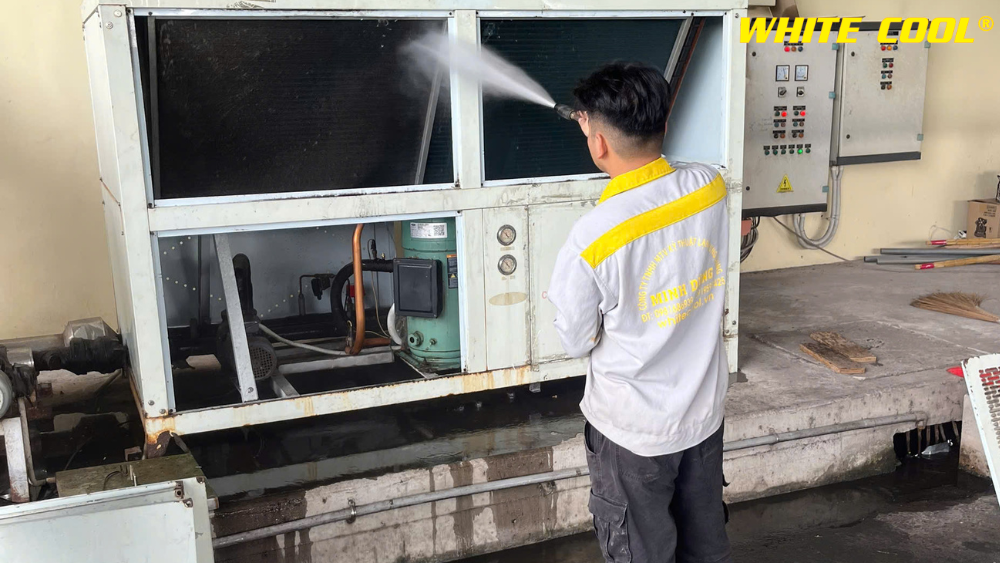
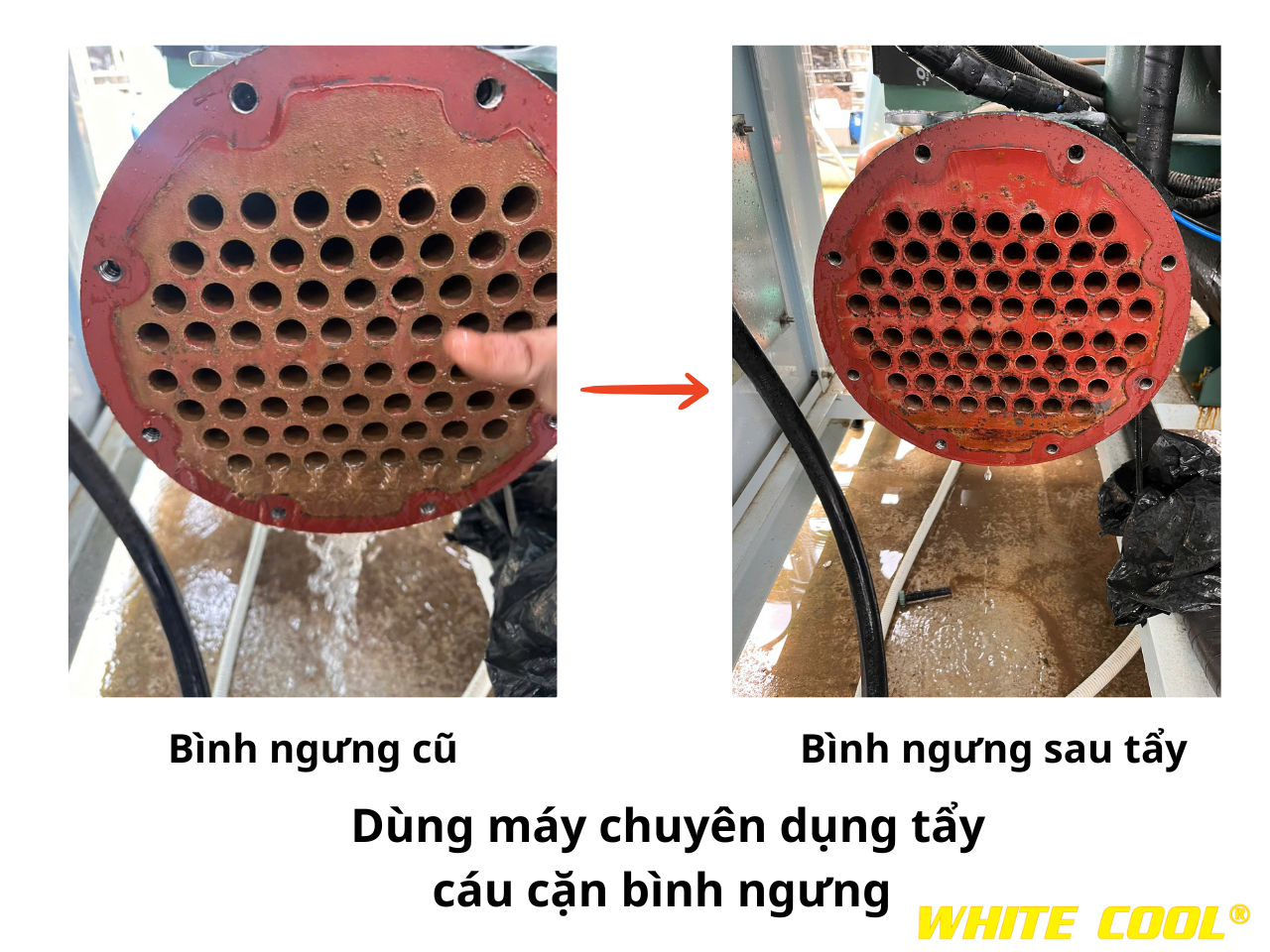
Before maintenance, cooling systems often operate in suboptimal conditions due to accumulated dust and deposits in the heat exchangers or the degradation of the refrigerant. These factors reduce heat transfer efficiency, forcing the system to operate at a higher capacity to meet cooling requirements.
In particular, dirty condensers and evaporators reduce heat exchange efficiency, leading to substandard temperatures or longer cooling times. This not only affects performance but also increases stress on key components such as the compressor.
Conversely, after thorough cleaning and inspection, critical components are cleaned, optimized, and their operating parameters are readjusted. The system can quickly reach the required temperature, operate stably, and maintain high performance for extended periods without increasing the load. This is a key factor in helping businesses maintain stable productivity during the hot season.
DIFFERENCES IN ENERGY CONSUMPTION
One of the most obvious consequences of neglecting cooling system maintenance is increased energy consumption. When efficiency decreases, the compressor has to operate continuously at a higher intensity to compensate for this decline. This significantly increases electricity consumption, especially in factories operating continuously.
In addition, phenomena such as pipe blockages, unstable water flow, or parameter deviations also contribute to inefficient system operation and consume more energy than necessary.
After maintenance, the system is brought back to its optimal operating state. Precisely calibrated parameters, stable water flow, and standard refrigerant levels ensure a more efficient cooling cycle. This not only saves energy but also reduces pressure on the overall electrical system, especially during peak periods.
DIFFERENCES IN STABILITY AND FAULT RISK
Before maintenance, cooling systems often have inherent risks such as abnormal pressure, overheating, sensor malfunctions, or reduced performance of protective devices. If these issues are not detected promptly, they can lead to serious incidents, disrupting production and directly impacting delivery schedules.
In many cases, problems don't occur immediately but accumulate over time, resulting in significant repair costs and downtime when they finally arise.
After regular inspections and maintenance, abnormalities will be detected early and addressed promptly. The control system is precisely calibrated, and protective devices operate stably, minimizing the risk of failure. This provides peace of mind for businesses during continuous operation.
DIFFERENCES IN SYSTEM LIFESPAN AND INVESTMENT COSTS
An unmaintained system often operates under prolonged high-pressure conditions, causing components such as compressors, pumps, fans, and valves to wear out quickly. This not only reduces equipment lifespan but also increases repair, replacement, and even new investment costs.
Conversely, with regular maintenance, mechanical components are always kept in optimal condition. Checking lubrication, cleaning the system, controlling refrigerant levels, and adjusting parameters minimize wear and tear and increase the overall system's durability.
In the long run, maintenance costs are always significantly lower than the cost of repairing or replacing equipment when problems occur. This is a smart investment that helps businesses optimize their budget and ensure sustainable operational efficiency.
COMPREHENSIVE CHILLER MAINTENANCE SOLUTIONS
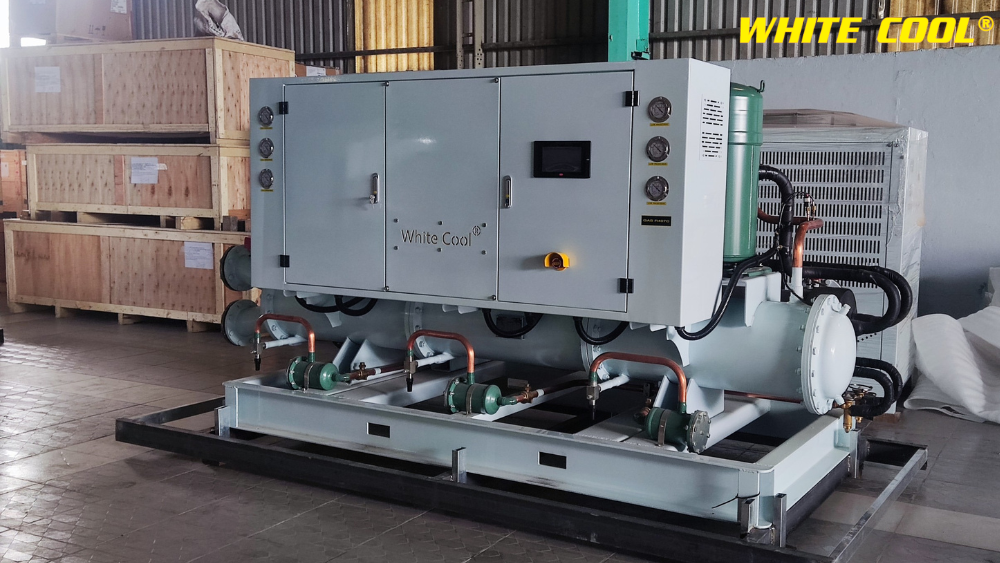
White Cool is proud to be a leading provider of chiller solutions and professional cooling system maintenance services for manufacturing businesses. With practical experience in numerous projects, White Cool understands the specific operational characteristics of each system and provides the most suitable solutions.
White Cool's technical team is well-trained and experienced, combined with a thorough inspection process to accurately detect potential problems and address them promptly. Beyond maintenance, White Cool also supports businesses in optimizing their systems, reducing energy consumption, and improving operational efficiency.
This is the foundation that helps businesses maintain production stability, minimize risks, and enhance competitiveness during peak periods.
If you need to inspect, maintain, or upgrade your cooling system, contact White Cool today for detailed advice and implementation of the optimal, effective, and sustainable solution for your business.
CONCLUSION
The difference between before and after cooling system maintenance is not only reflected in operational efficiency but also directly affects electricity costs, system stability, and equipment lifespan. A properly maintained system will help businesses operate more efficiently, minimize risks, and optimize costs in the long term.
In the context of peak seasons with increased cooling demand, proactively inspecting and maintaining chiller systems is no longer an option but a necessity. This is a crucial preparatory step to help businesses overcome the heat and maintain continuous production.