

TEMPERATURE CONTROL IN PRODUCTION
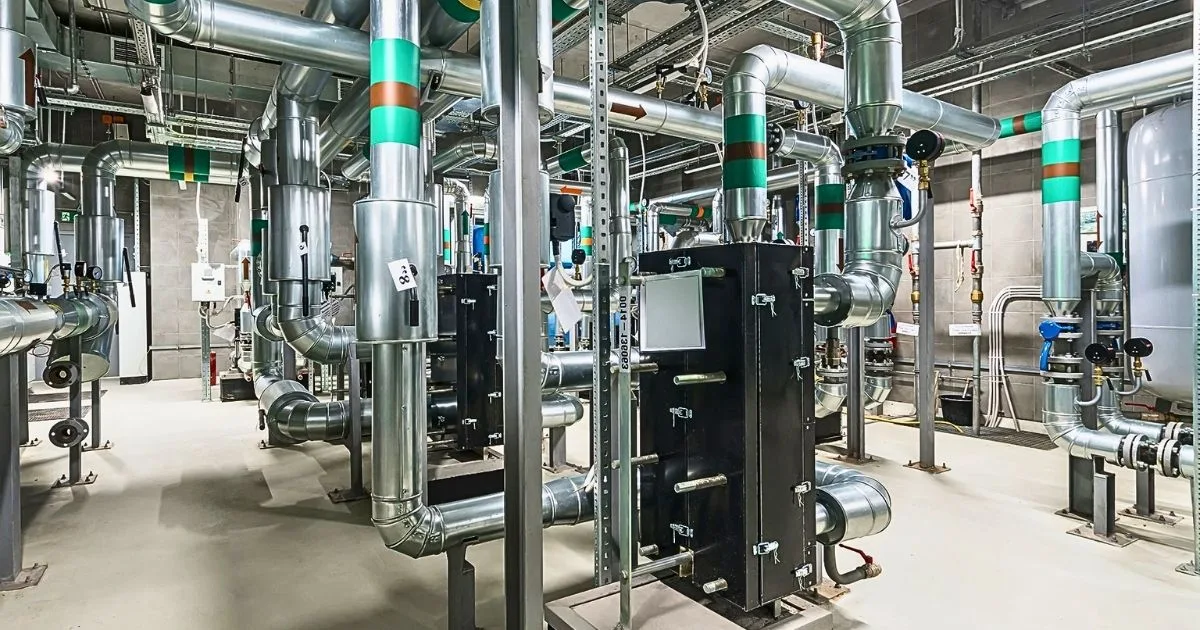
In most industries such as plastics, food, electronics, and mechanical engineering, temperature is always a core factor determining the stability of the entire production process. When temperatures exceed permissible limits or fluctuate continuously, the operating parameters of machinery are easily distorted, leading to reduced efficiency, increased error rates, and directly affecting the quality of the final product.
Effective temperature control helps maintain ideal working conditions for equipment, molds, and raw materials. Especially in processes requiring high precision, such as plastic injection molding or metalworking, even a small change in temperature can cause significant deviations in product dimensions and structure.
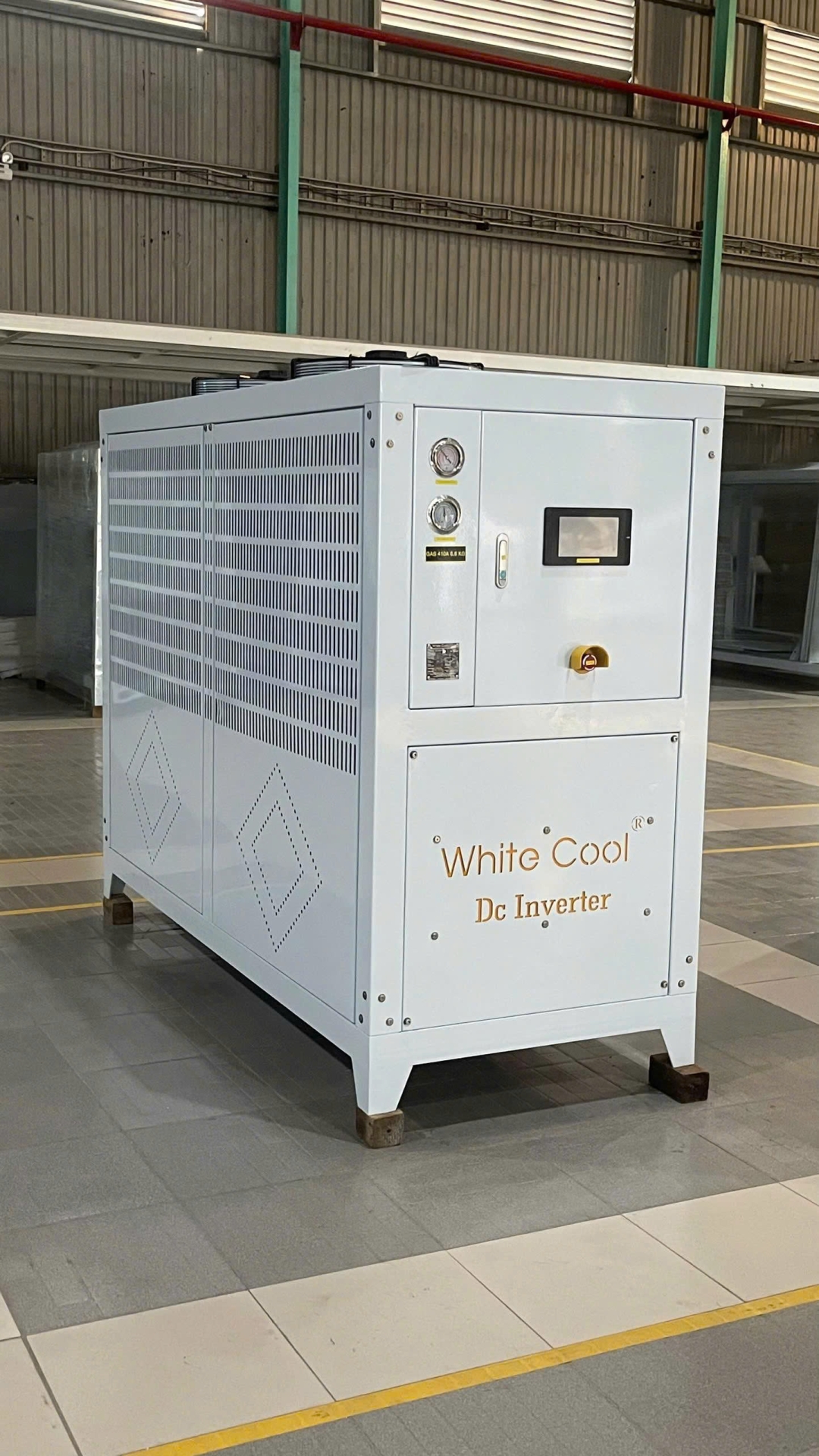
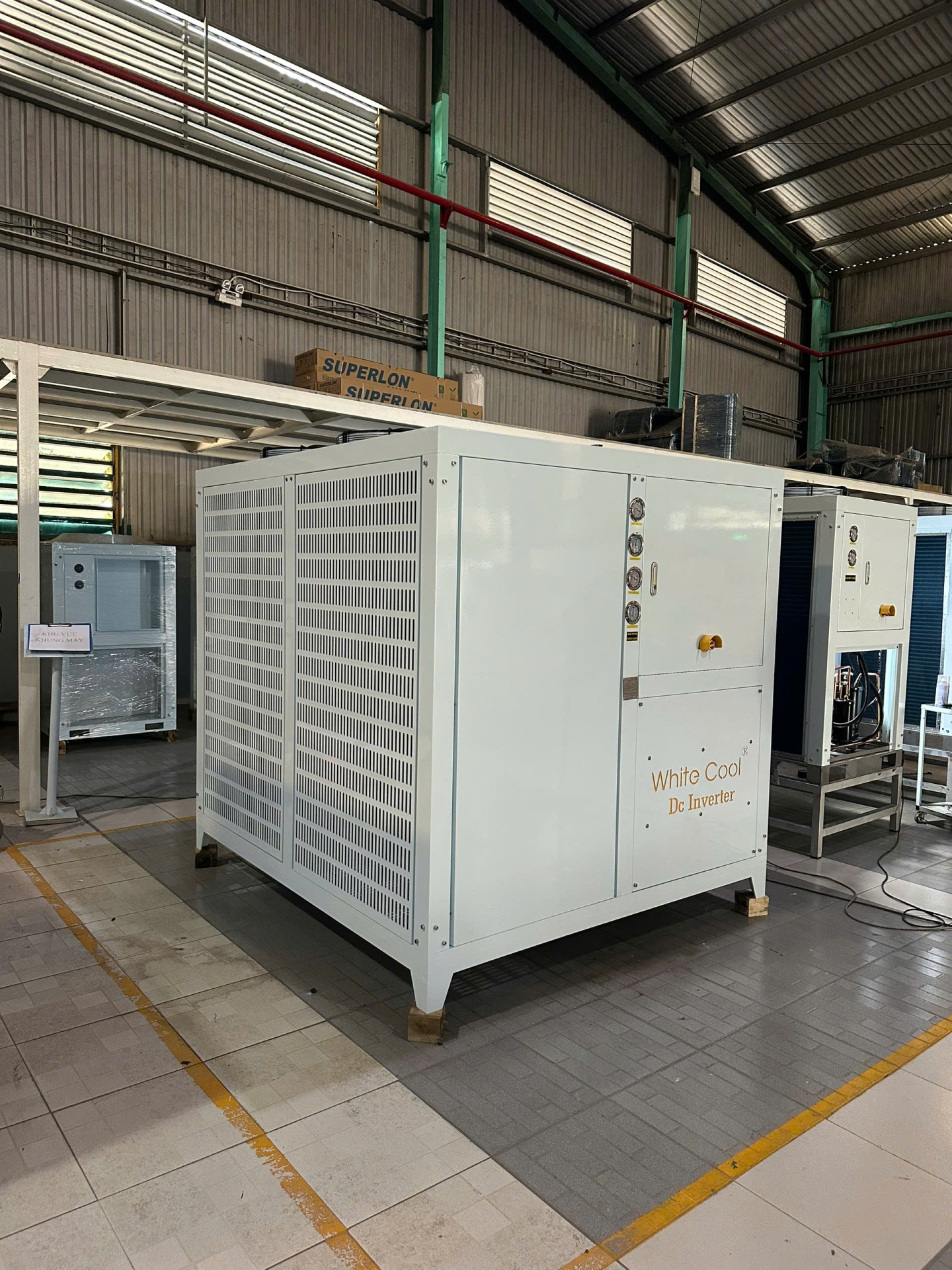
Industrial cooling systems, particularly chillers, play a crucial role in maintaining stable and continuous temperatures throughout the operation. As a result, businesses not only ensure consistent product quality but also minimize the risk of production disruptions, optimize efficiency, and enhance the reliability of the entire supply chain.
(Source: Internet)
IMPROVING FACTORY OPERATIONAL EFFICIENCY
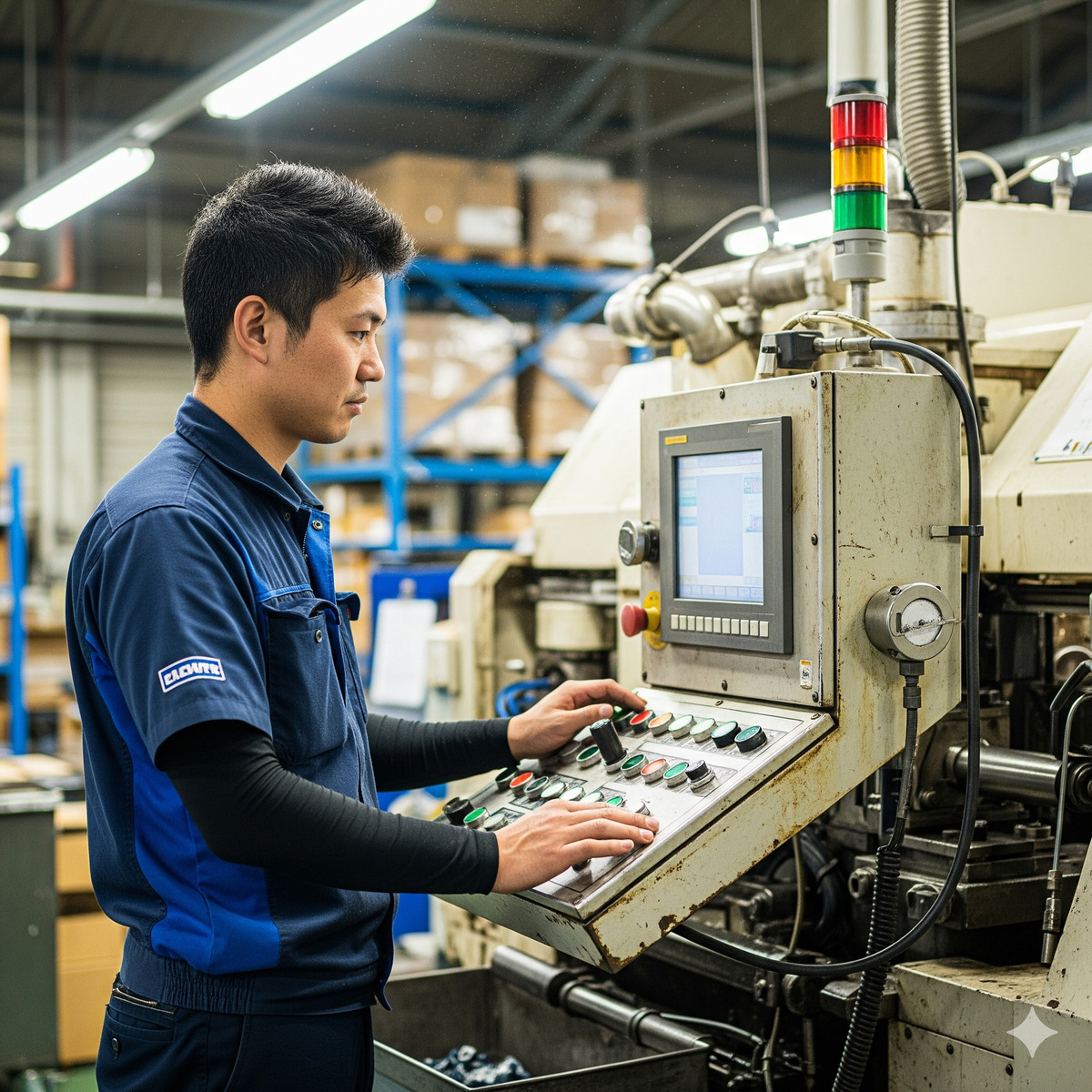
An efficient cooling system plays a crucial role in maintaining stable operational performance for the entire production line. When the temperature of machinery, molds, and raw materials is consistently controlled at optimal levels, equipment operates more smoothly, minimizing overload or unwanted interruptions.
In many industries such as plastic molding, metalworking, and food production, cooling directly impacts production speed. A well-functioning cooling system shortens cooling time, reducing production cycles and increasing output. This not only improves operational efficiency but also helps businesses optimize costs and enhance competitiveness in the market.
Furthermore, maintaining stable temperatures allows equipment to operate at optimal levels for extended periods, reducing wear and tear and minimizing technical problems. As a result, businesses can ensure production schedules, improve system reliability, and maximize the efficiency of equipment utilization in the factory.
(Source: Internet)
PRODUCT QUALITY ASSURANCE
When temperature is not consistently controlled, production parameters are prone to deviations, leading to uneven products, defects, or substandard quality. For example, in the plastic injection molding industry, unstable mold temperatures and cooling systems can cause issues such as warping, shrinkage, unsatisfactory surface finishes, or dimensional inaccuracies.
A cooling system helps maintain a stable temperature throughout the production process, ensuring technical conditions remain within standard limits. This results in highly accurate products with consistent quality across production batches, minimizing the rate of defective goods.
Effective temperature control not only improves product quality but also contributes to building brand reputation, especially for businesses targeting export markets or those requiring high standards.
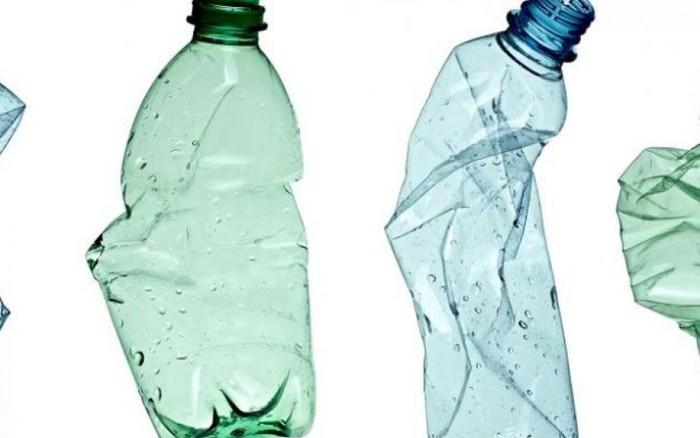
(The product is defective)
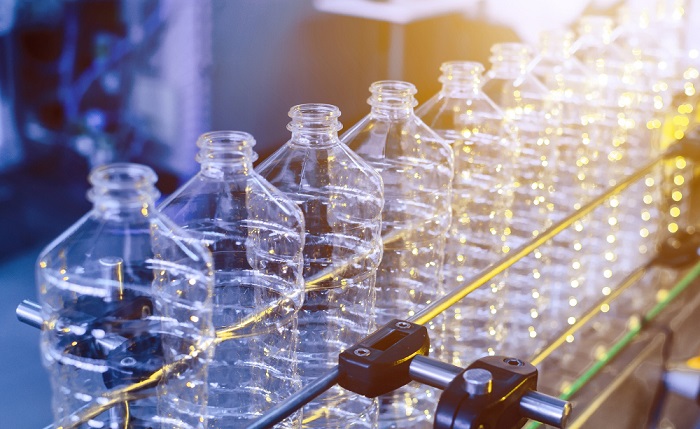
(The product meets quality standards)
ENERGY AND OPERATING COST SAVINGS
A properly designed and operated cooling system not only helps control temperature but also contributes to optimizing the plant's energy consumption. When equipment operates at the appropriate temperature, machine efficiency is improved, and energy waste due to overheating or overloading is avoided.
In addition, an efficient cooling system reduces stress on other equipment in the production line, thereby reducing repair and maintenance costs and extending the lifespan of machinery.
PROTECTING EQUIPMENT EXTENDS MACHINE LIFE
Cooling systems play a crucial role in controlling and maintaining stable temperatures for all equipment in the production line. When operating at the appropriate temperature, machinery runs more smoothly, reducing overload and stress on internal components.
Furthermore, maintaining stable temperatures minimizes the risk of unexpected breakdowns, thereby reducing unplanned downtime. This is especially important for factories with continuous production, where every minute of downtime directly impacts productivity and operating costs.
Investing in an effective cooling system is not only a short-term solution but also a long-term strategy that helps businesses protect assets, optimize costs, and enhance the longevity of their machinery over time.
CONCLUSION
In the modern industrial production environment, cooling systems are not just supporting equipment but have become an indispensable part of the production line. Effective temperature control helps factories maintain stable operating performance, ensure product quality, save energy, and protect equipment in the long term.
For manufacturing businesses, investing in a suitable cooling system from the outset not only optimizes factory operations but also lays the foundation for sustainable future development.
Contact White Cool. With experience in industrial cooling solutions, we are always ready to partner with businesses in consulting, designing, and supplying cooling systems tailored to each production need, contributing to improved factory operational efficiency.