



THE IMPORTANCE OF REGULAR CHILLER MAINTENANCE
In industrial production systems, chillers typically operate continuously 24/7 under heavy load. Over time, factors such as dust accumulation on condensers, scaling inside water pipelines, and the degradation of oil and refrigerant quality can significantly reduce heat exchange efficiency.
As a result, the chiller is forced to operate at higher capacity to maintain the required temperature, leading to increased energy consumption and greater stress on critical components such as the compressor, pumps, and cooling system.
Regular maintenance helps clean heat exchangers, inspect and adjust water flow rates, refrigerant pressure, and overall system performance. This ensures stable cooling efficiency, reduces energy consumption by 10–30%, and minimizes the risk of unexpected failures.
Conversely, without timely maintenance, the system may operate under prolonged overload conditions, reducing equipment lifespan, increasing repair costs, and posing a high risk of sudden downtime — directly impacting production schedules and operational costs for the business.
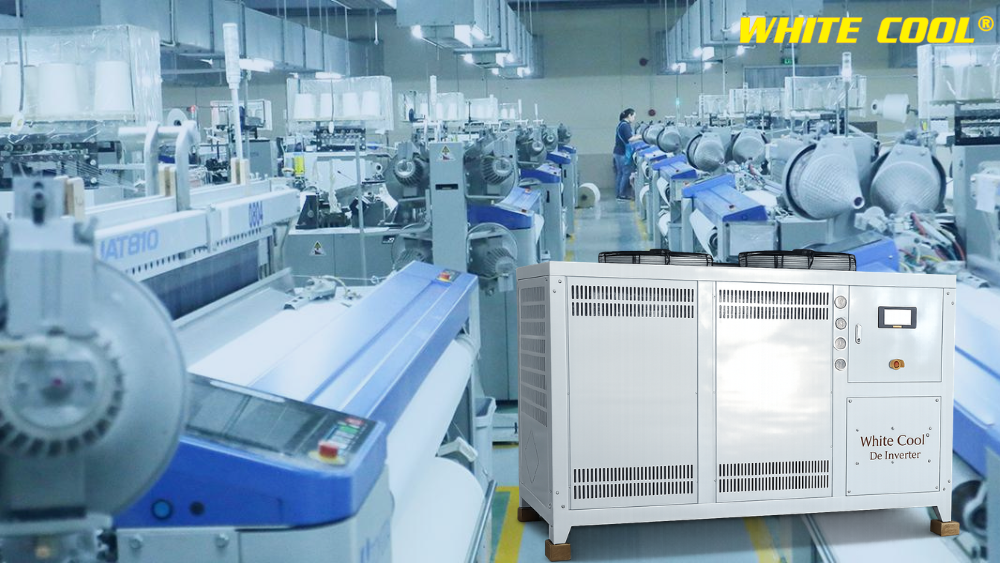
HOW OFTEN SHOULD CHILLER MAINTENANCE BE PERFORMED?
The frequency of chiller maintenance is not fixed but depends on many factors such as the operating environment, usage frequency, and system type. However, in practice, businesses should develop a clear maintenance schedule to ensure operational efficiency.
Generally, basic checks should be performed monthly to detect early signs of abnormalities. Comprehensive maintenance should be conducted periodically every 3 to 6 months, especially before peak seasons when cooling demand is high.
For systems operating continuously in harsh environments, maintenance frequency may need to be higher to ensure equipment remains in optimal condition. More importantly, businesses need to flexibly adjust plans based on actual conditions rather than rigidly adhering to a fixed timeframe.
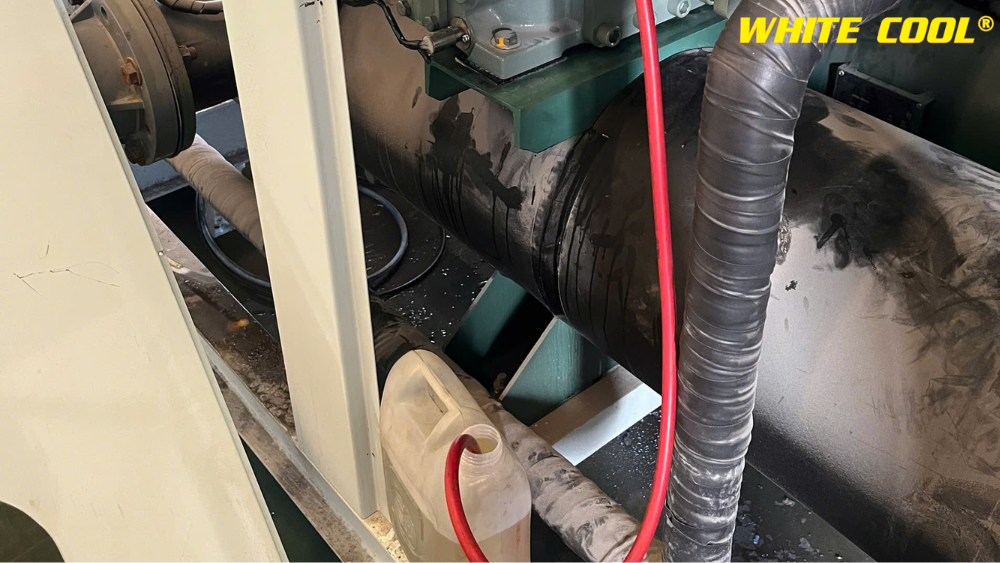
SIGNS THAT YOUR CHILLER NEEDS IMMEDIATE MAINTENANCE
During operation, chillers often emit "warning signals" before serious problems occur. Early recognition of these signs will help businesses proactively address issues and avoid unnecessary damage.
One of the easily noticeable signs is a decrease in cooling efficiency. When the temperature does not reach the required level or the cooling time is longer than normal, it is very likely that the system is experiencing problems with the heat exchanger or a lack of refrigerant.
In addition, unusually high power consumption is also a noteworthy sign. When chillers are overloaded to compensate for poor performance, electricity costs increase significantly without a commensurate return.
In addition, phenomena such as loud noise, strong vibrations, water or gas leaks, or frequent system errors are clear warnings that the chiller needs immediate inspection and maintenance. Ignoring these signs can lead to serious damage and production disruptions.
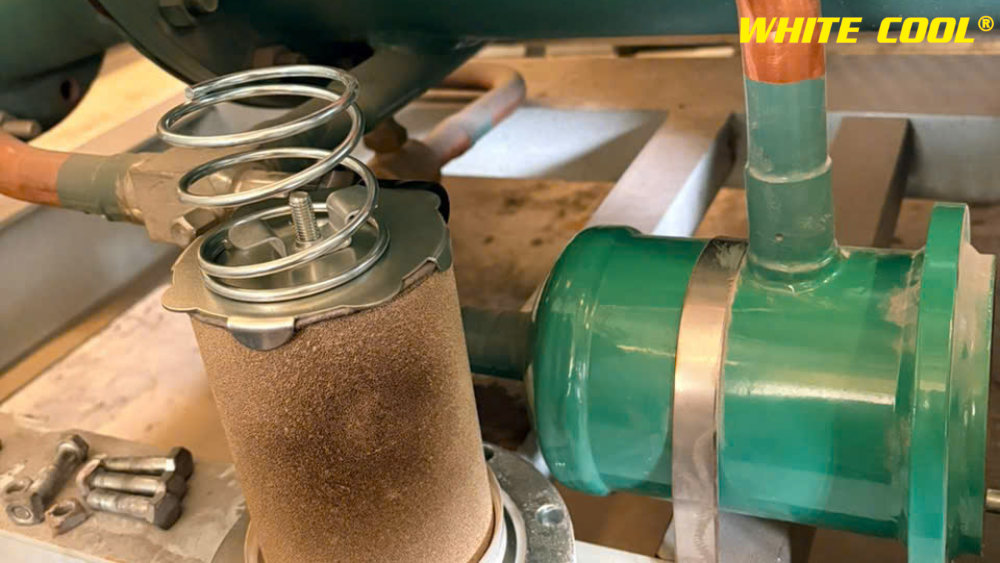
CONSEQUENCES OF NOT MAINTAINING CHILLERS ON TIME
Delaying maintenance not only reduces system efficiency but also leads to many serious consequences. When chillers operate in suboptimal conditions, internal components wear out quickly, reducing equipment lifespan.
Furthermore, unexpected incidents can occur at any time, especially during peak seasons. This not only disrupts production but also directly affects order deadlines and the company's reputation.
Repair costs in these cases are often much higher than the cost of routine maintenance. This is an "economic problem" that many businesses only realize when it's too late.
EFFECTIVE CHILLER MAINTENANCE SOLUTIONS FOR BUSINESSES
To ensure the chiller system always operates stably, businesses need to develop a clear maintenance plan that is appropriate to their operational characteristics. Combining periodic inspections and on-site monitoring will help detect potential problems early.
In addition, choosing a professional technical unit plays a crucial role in ensuring the quality of maintenance. A comprehensive inspection process not only helps address current problems but also provides optimal solutions to improve system performance in the long term.
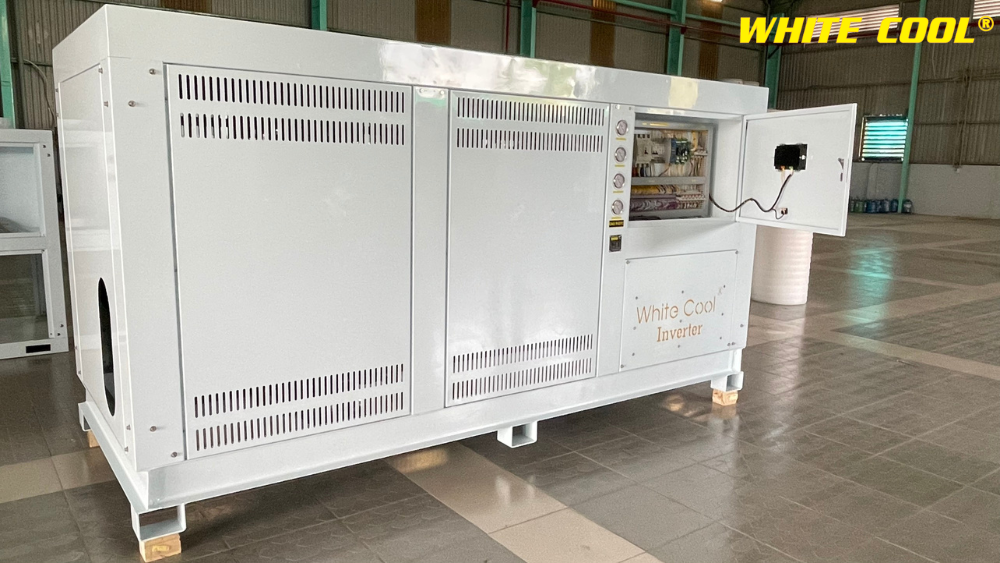
White Cool, with its experience in the industrial chiller field, provides inspection, maintenance, and optimization services for systems according to high technical standards. Each solution is designed to suit the actual needs of the business, helping to ensure operational efficiency and cost savings.
CONCLUSION
Determining the right time for chiller maintenance not only helps the system operate stably but is also a crucial factor in optimizing costs and protecting production operations. Instead of waiting until a problem occurs, businesses should proactively check and maintain their chillers regularly to ensure optimal performance.
Even small anomalies can be early warning signs of major problems. Timely identification and handling are key to helping businesses maintain stability and sustainable growth.
Contact White Cool today for advice on the most suitable and effective chiller maintenance solutions for your system.