



ELECTRICITY PRICE FLUCTUATIONS AND PRESSURE ON COOLING SYSTEM
Industrial electricity prices are not only increasing overall but are also structured based on time-of-use, creating a clear gap between peak and off-peak hours. This shift puts continuous chiller operations under growing cost pressure, especially during peak production periods when cooling demand is at its highest.
In practice, cooling systems are among the largest energy consumers in factories, particularly in industries such as food processing, plastics, pharmaceuticals, and electronics. As electricity prices fluctuate, inefficient, outdated, or poorly optimized chiller systems quickly reveal their limitations, causing energy costs to rise sharply over time. This is also a crucial moment for businesses to comprehensively reassess their cooling systems—from equipment efficiency and water flow to operational practices—in order to identify energy-wasting points and implement timely improvements.
OPTIMIZING CHILLER EFFICIENCY - THE KEY TO REDUCING ELECTRICITY COSTS
Chiller operating efficiency plays a decisive role in determining the energy consumption of the entire cooling system. In reality, a non-optimized system can consume 20–30% more energy than standard levels, leading to significantly higher operating costs over time. This often stems from seemingly minor issues with major impacts, such as fouled heat exchangers, unstable water flow, or worn-out equipment after prolonged use.
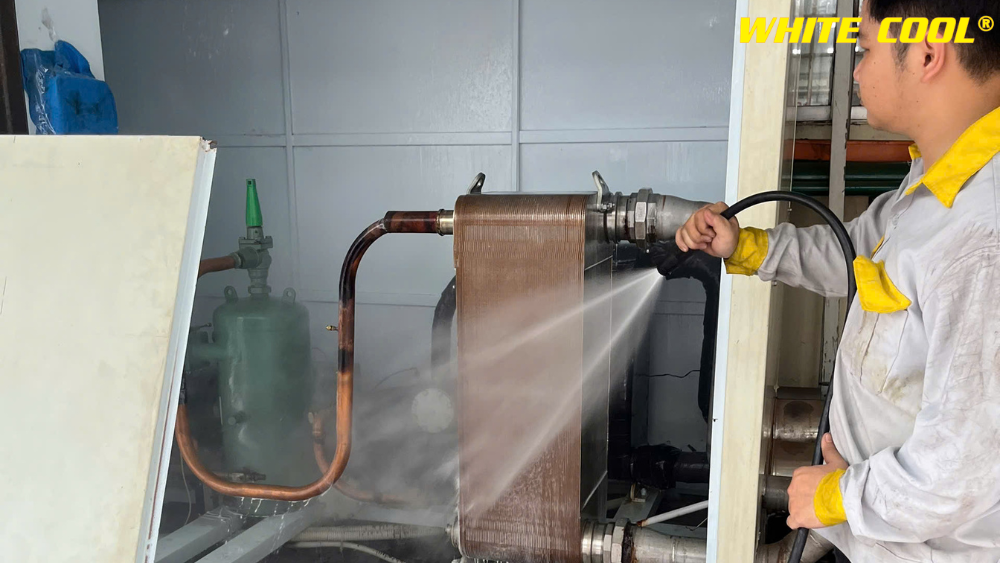
To address this, regular maintenance is essential to ensure stable performance. Cleaning and inspecting components like condensers and evaporators help improve heat exchange efficiency, reduce compressor load, and save energy. In addition, adjusting operating parameters based on actual load rather than running at fixed settings allows the system to operate more flexibly, avoiding unnecessary energy waste during low-demand periods. These are fundamental solutions that are not overly complex to implement but can deliver clear cost-saving results.
APPLYING MODERN CHILLER TECHNOLOGIES IN 2026
Technological advancements are opening new opportunities for businesses to better control energy costs. Chillers equipped with DC inverter technology can adjust capacity flexibly based on real demand, minimizing energy waste during low-load conditions.
Moreover, smart control systems and IoT integration enable real-time monitoring of chiller performance. This allows businesses to detect abnormalities early and address issues before they lead to significant losses. These solutions not only reduce costs but also extend equipment lifespan and enhance overall system stability.
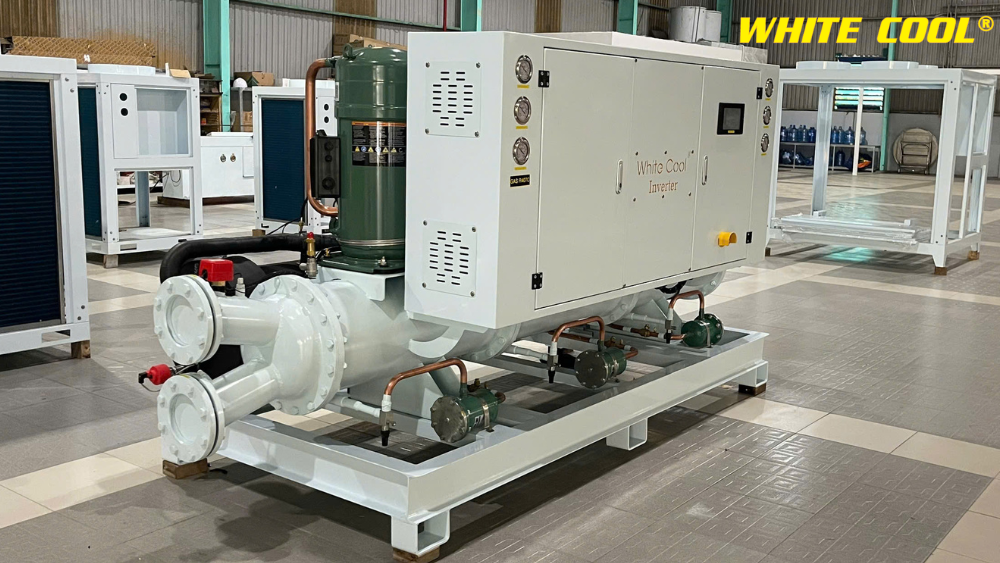
With extensive experience in industrial chiller design and manufacturing, White Cool focuses on developing cooling solutions tailored to each business’s actual needs. White Cool systems not only ensure high performance but are also designed from the outset to optimize energy consumption, helping businesses adapt more effectively to electricity price fluctuations.
ADJUSTING OPERATIONAL STRATEGIES TO ADAPT TO ELECTRICITY PRICING
Beyond technology investment, operational practices play a crucial role in controlling electricity costs. With time-based electricity pricing, adjusting production schedules to take advantage of off-peak hours can significantly reduce operational expenses. Additionally, thermal energy storage solutions are gaining attention, enabling chillers to operate more efficiently by reducing load during peak hours and optimizing total daily energy consumption.
Furthermore, many businesses are shifting toward more flexible models such as “Cooling as a Service” (CaaS), where cooling systems are leased instead of fully owned. This approach reduces upfront capital investment while ensuring that systems are continuously operated, monitored, and optimized by experienced providers. With proven expertise in implementation and operation, White Cool offers comprehensive cooling solutions that help businesses effectively control costs while maintaining high system performance. This model is especially suitable for companies seeking a balance between operational efficiency and financial flexibility in a volatile energy market.
LONG-TERM INVESTMENT - A SUSTAINABLE SOLUTION AMID ENERGY VOLATILITY
In an environment where electricity prices are increasingly unpredictable, focusing solely on short-term cost-cutting may cause businesses to miss greater long-term benefits. In reality, inefficient cooling systems not only increase electricity costs but also pose risks of equipment failure, production downtime, and unexpected repair expenses. Therefore, investing in high-quality, high-efficiency chiller systems from the beginning is a strategic decision that enables businesses to control costs throughout the system lifecycle.
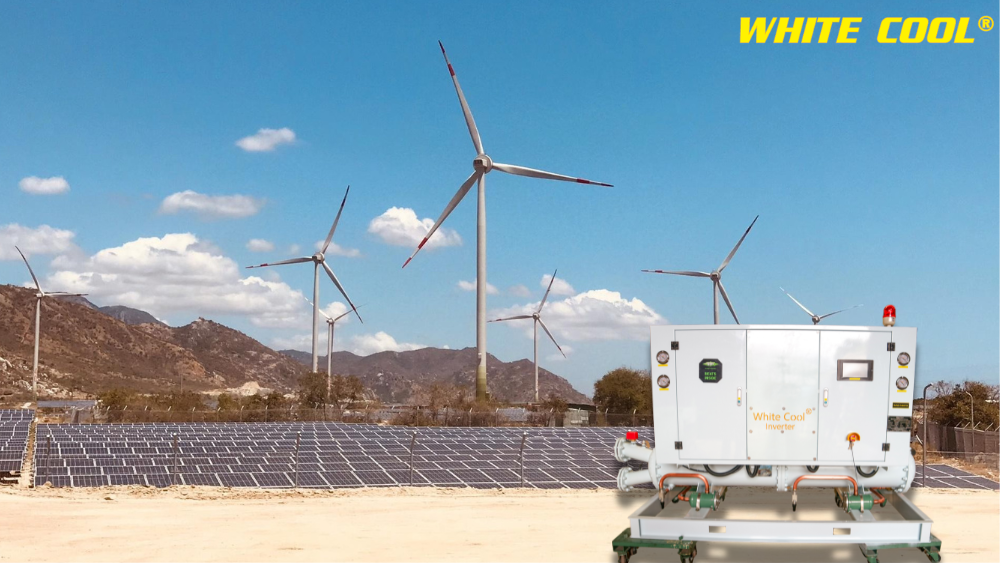
With a strong focus on energy efficiency and sustainability, White Cool’s chiller solutions are designed to optimize performance under real operating conditions. These systems not only ensure energy savings but are also engineered for long-term stability, minimizing wear and reducing the risk of unexpected failures. This helps businesses not only control costs but also meet increasingly stringent energy efficiency standards while enhancing competitiveness in modern manufacturing.
CONCLUSION
The fluctuations in industrial electricity prices in 2026 present both challenges and opportunities for businesses to restructure their cooling systems more effectively. By proactively optimizing operations, adopting advanced technologies, and choosing the right partner such as White Cool, businesses can not only control costs but also strengthen their long-term competitive advantage. A well-designed and properly operated chiller system is no longer just a cost—it is a strategic driver for sustainable growth. Contact White Cool today for expert consultation and tailored energy-saving cooling solutions for your business.