



RISKS OF 24/7 CHILLER OPERATION
Increased stress on equipment and reduced lifespan
When chillers operate continuously, critical components such as compressors, pumps, fans, and heat exchangers all work at high intensity for extended periods. This causes equipment wear and tear faster than under normal operating conditions.
If the system is not designed or operated appropriately for the actual load, the chiller is prone to prolonged overload. This is a leading cause of reduced compressor lifespan – the component with the highest repair and replacement costs in the entire system.
Degradation of efficiency over time
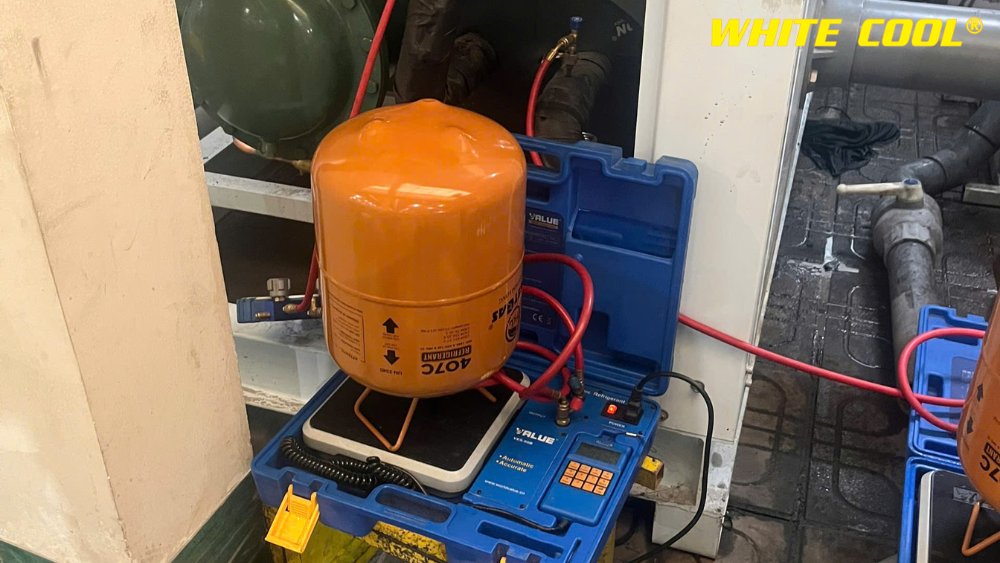
A chiller system that operates continuously without regular maintenance will gradually lose its initial efficiency. Factors such as dirt buildup in the heat exchanger, poor water quality, or degrading compressor oil directly affect cooling capacity.
When efficiency decreases, chillers need to operate longer to reach the same required temperature. This leads to significantly increased energy consumption, resulting in operating costs that businesses may not immediately recognize.
Risk of sudden breakdowns and production disruptions
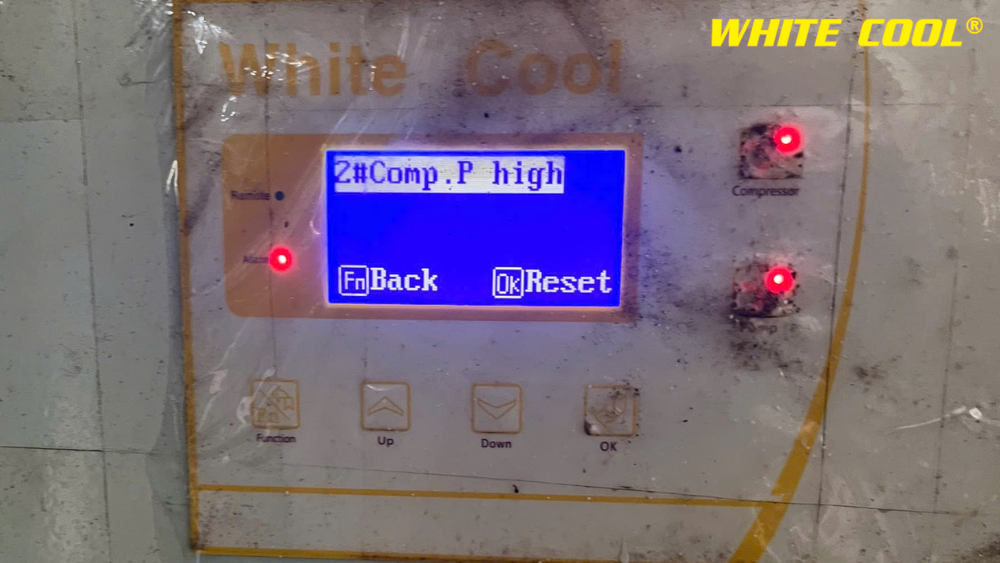
Operating chillers 24/7 without rigorous inspection and monitoring procedures increases the risk of unexpected breakdowns. Faults such as abnormal pressure, unstable temperature, or control system failures can occur at any time.
Notably, these incidents often occur when the system is operating at high load, making troubleshooting more complex and potentially disrupting the entire production line. This is a major risk for businesses heavily reliant on cooling systems.
HOW TO ENSURE THE DURABILITY OF A 24/7 OPERATING CHILLER SYSTEM
Designing a system that suits actual needs
A durable chiller system starts with the design phase. Accurately calculating the capacity and system configuration based on the plant's actual needs ensures the chiller operates within a stable load range.
Correct design not only reduces pressure on the equipment but also optimizes operating efficiency, thereby extending the lifespan of the entire system and minimizing risks during use.
Load distribution and rotational operation
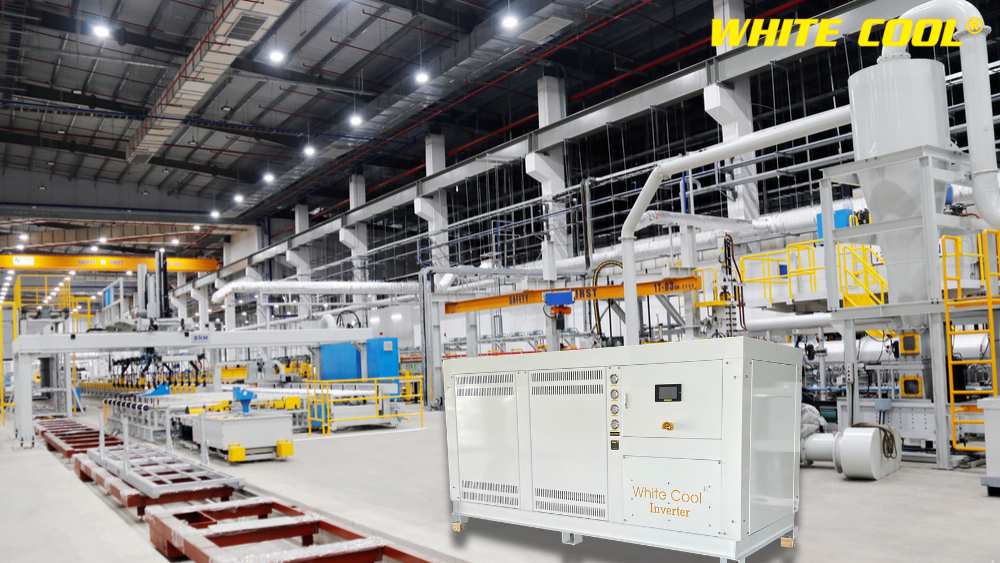
For large-scale systems, using multiple chillers and rotating their operation is an effective solution to reduce the load on each piece of equipment. When machines are distributed with appropriate operating time, wear and tear is evenly distributed, increasing overall durability.
Furthermore, this approach helps the system maintain stable operation even when a device malfunctions, minimizing the risk of production disruption.
Regular Maintenance and Water Quality Control
Regular maintenance plays a crucial role in maintaining the performance and durability of the chiller. Activities such as cleaning the heat exchanger, checking the machine oil, and monitoring pressure and temperature should be carried out according to a clear plan.
Simultaneously, controlling the water quality in the system cannot be overlooked. Substandard water can cause scaling, corrosion, and reduce heat exchange efficiency, thereby directly affecting the performance and lifespan of the equipment.
Application of Monitoring Technology and Operational Optimization
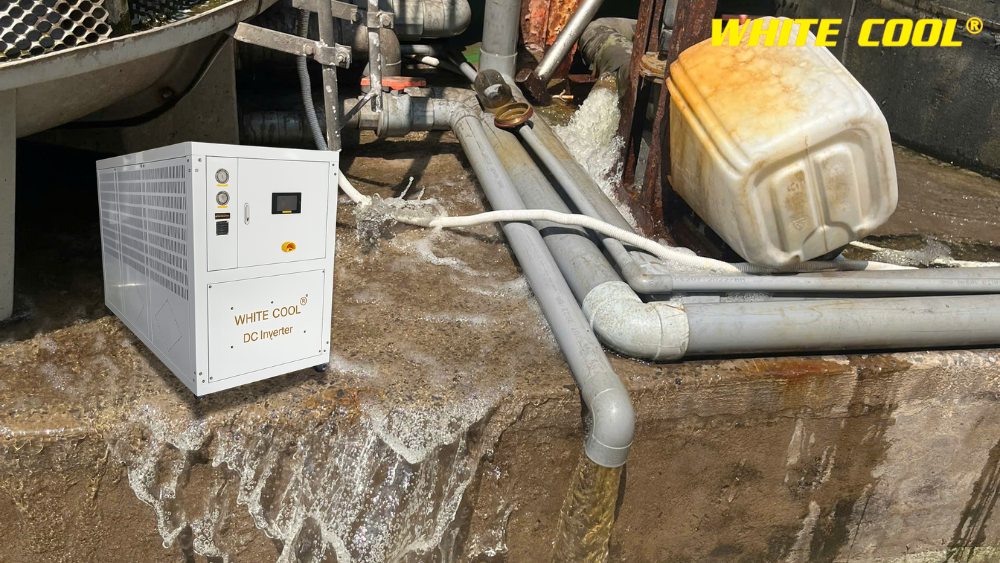
Currently, modern chiller systems often integrate intelligent monitoring technology, allowing for real-time monitoring of operating parameters. This helps businesses quickly detect abnormal signs and take timely action.
Optimizing operations based on real-world data not only saves energy but also ensures the system always operates safely, stably, and efficiently.
CONCLUSION
24/7 chiller operation is a common requirement in many factories, but it also comes with significant risks if the system is not properly managed and optimized. From increased equipment wear and tear and reduced efficiency to the risk of sudden breakdowns, all can significantly impact costs and production operations.
To ensure stable and durable system operation, businesses need to invest wisely from design and operation to maintenance and monitoring. A well-optimized chiller system not only extends equipment lifespan but also provides long-term economic benefits.
If your business is operating chillers continuously and needs a system performance assessment, White Cool is ready to provide comprehensive design, optimization, and maintenance solutions to ensure stable system operation under all conditions. Contact White Cool today for advice and support on the best solutions for your business.