



CHILLED DETERMINES TEMPERATURE STABILITY THROUGHOUT THE ENTIRE PRODUCTION PROCESS
In most industries such as plastics, food, pharmaceuticals, and electronics, temperature is always a key factor directly affecting the production process. Chillers are responsible for maintaining a stable water or air temperature, ensuring that machinery and raw materials always operate under optimal conditions.
When temperature is precisely controlled, the entire production process is uniform, minimizing errors and helping products meet quality standards. Conversely, even slight temperature fluctuations outside the permissible range can immediately affect the processing, leading to substandard products.
IMPACT ON PRODUCT ACCURACY AND CONSISTENCY
A stable chiller system helps maintain a consistent temperature throughout the production process, ensuring consistency between product batches. This is especially important for industries requiring high precision.
Conversely, when the chiller operates erratically, the temperature can fluctuate. This fluctuation can lead to product defects such as warping, shrinkage, or dimensional inaccuracies. In the food industry, inconsistent temperatures can also alter the product's structure and flavor.
These deviations not only affect quality but also lead to higher defect rates, significantly increasing production costs.
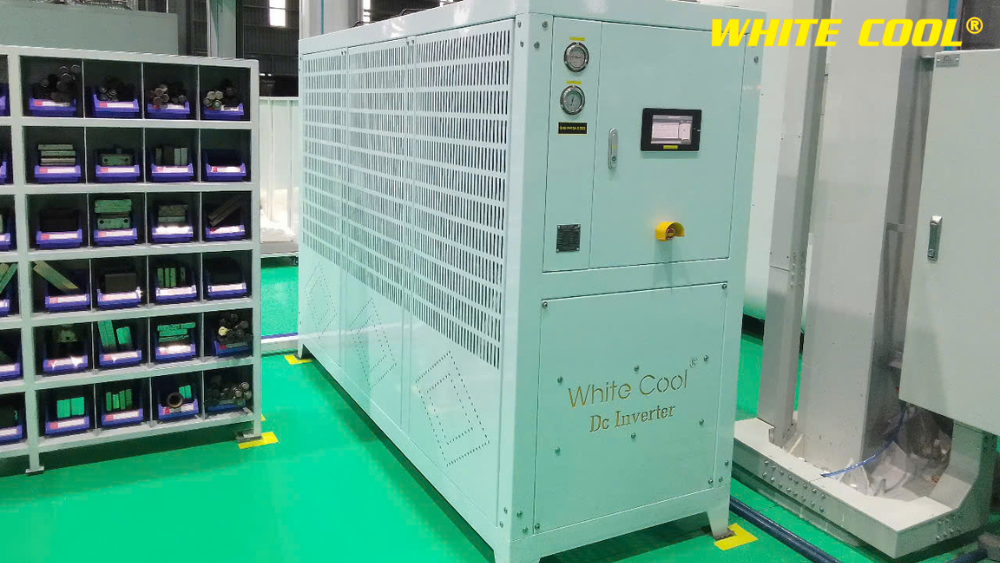
IMPACT ON PRODUCT PHYSICAL PROPERTIES AND DURABILITY
Temperature not only affects the external appearance but also directly impacts the material structure and physical properties of the product. When the cooling process is inadequate, the material may not achieve the hardness, strength, or stability as originally designed.
In industries such as precision mechanics or electronics, where very small tolerances are required, even a small temperature deviation can cause the product to fail to meet technical standards. This not only wastes raw materials but also seriously affects the company's reputation in the market.
IMPACT ON PRODUCT HYGIENE AND SAFETY
For the food and pharmaceutical industries, the role of chillers is not limited to cooling but is also directly related to safety. Poorly controlled temperatures can create conditions for microbial growth, reducing product quality and safety.
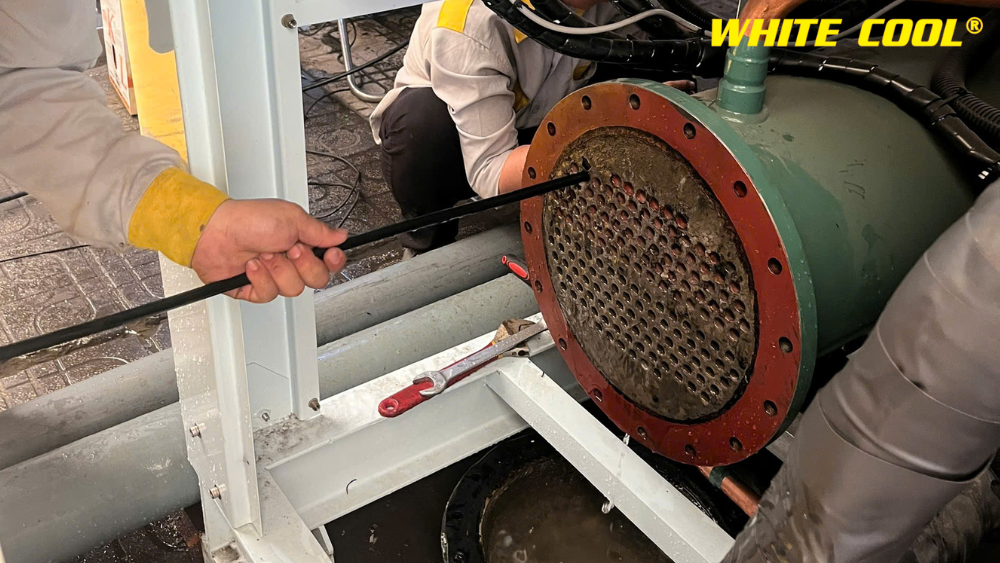
Furthermore, improperly controlled and maintained cooling water systems can become a source of indirect contamination. This is particularly dangerous in industries with stringent hygiene standards.
CONSEQUENCES OF NON-OPTIMAL CHILLER SYSTEM OPERATION
When chillers operate erratically, the negative impacts extend beyond the equipment itself to the entire production process. Increased defective products and inconsistent quality make it difficult for businesses to control output.
In addition, downtime for troubleshooting or system adjustments disrupts production, directly impacting delivery schedules. In the long run, this can damage the company's reputation and negatively affect relationships with customers and partners.
OPTIMAL CHILLER SOLUTIONS TO IMPROVE PRODUCT QUALITY WITH WHITE COOL
To ensure stable chiller system operation and maximum support for product quality, designing and optimizing the system from the outset is crucial. A suitable system needs to be calculated based on the actual needs of each factory, avoiding underloading or overloading during operation.
In addition, regular maintenance, parameter checks, and system cleaning play a vital role in maintaining stable performance. Applying intelligent control solutions also helps to control temperature more accurately, minimizing deviations in the production process.
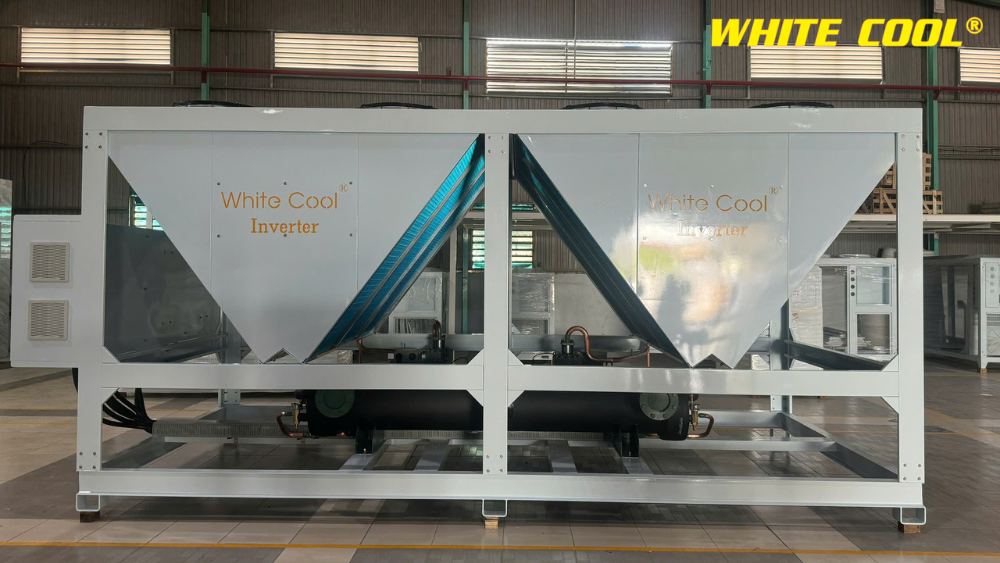
With experience in deploying and optimizing cooling systems for many factories, White Cool not only provides equipment but also partners with businesses in designing, improving, and upgrading chiller systems according to actual needs. White Cool's solutions aim to ensure stable system operation, cost savings, and, most importantly, sustainable product quality.
CONCLUSION
Chillers are not simply cooling devices, but a core element directly affecting product quality in factories. A stable operating system will help control temperature accurately, ensuring product uniformity, durability, and safety.
Conversely, if not properly invested in and optimized, chillers can become the cause of many quality and cost problems. Therefore, choosing the right solution and partnering with an experienced company like White Cool will help businesses improve production efficiency, better control quality, and create a long-term competitive advantage in the market.
Contact White Cool for advice on chiller solutions suitable for your actual load, mold cooling system assessment, and a quote for air-cooled or water-cooled DC Inverter chillers for your factory.